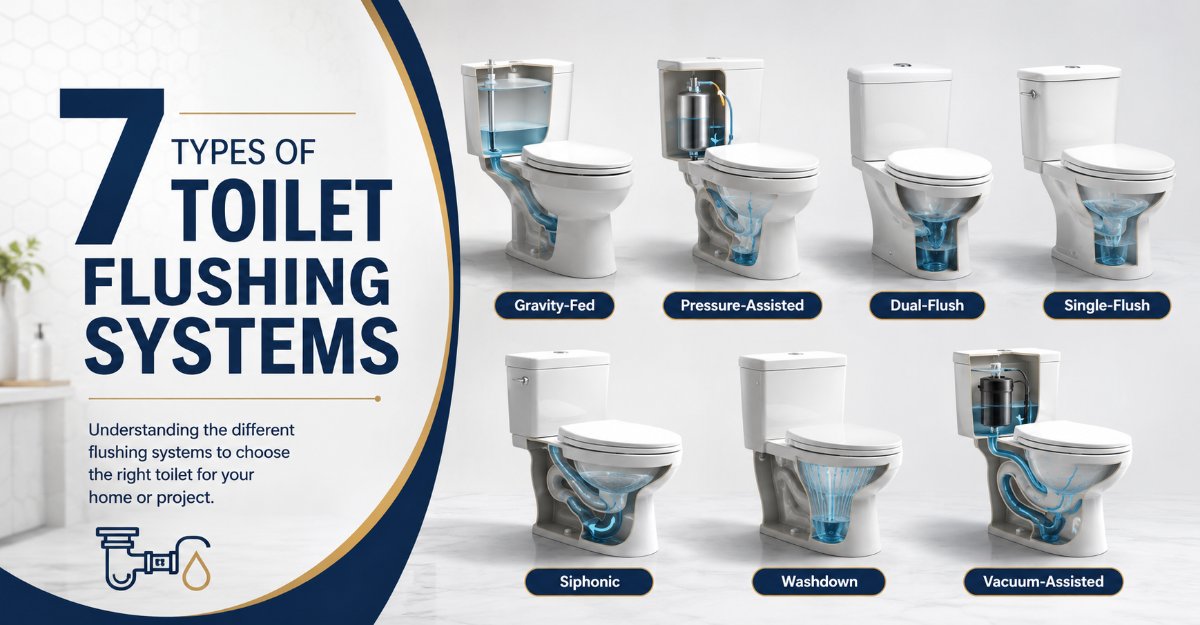
The 7 types of toilet flushing systems dictate how residential and commercial bathrooms manage waste removal, water conservation, and noise control. Selecting the right mechanism determines your daily water usage and long-term maintenance frequency. This guide evaluates gravity, pressure-assisted, dual-flush, cyclone, washdown, flushometer, and upflush configurations to match your specific plumbing infrastructure.
Key Facts / At a Glance
- Standard gravity systems utilize 1.28 to 1.6 gallons per flush (GPF) and remain the most popular residential choice.
- Tankless flushometer designs require a minimum 1-inch commercial supply line to operate correctly.
- Pressure-assisted configurations launch water using compressed air, reducing clogs but generating up to 85 decibels of noise.
- Dual-flush technology saves households an average of 2,000 gallons of water annually.
- Upflush systems pump waste vertically up to 15 feet, eliminating the need for basement floor excavation.
What Is the Universal Toilet Flushing Process?
Every tank-based toilet relies on a standardized physical sequence to clear the bowl and prepare for the next user. Understanding this baseline cycle helps diagnose mechanical failures before you commit to a full system replacement. The process utilizes a combination of mechanical valves, atmospheric pressure, and physical gravity to move water efficiently.
According to plumbing engineering standards, the sequence relies on rapid water delivery to trigger a siphonic vacuum. The table below outlines the exact phases and their mechanical requirements.
| Flush Phase | Typical Duration | Primary Mechanical Force | Action Required |
| 1. Activation | 1 to 2 seconds | Human interaction | User presses a lever, pushes a button, or trips a touchless infrared sensor. |
| 2. Release | 3 to 5 seconds | Valve operation | The internal flapper, canister, or pressure seal opens to drop water rapidly into the bowl. |
| 3. Evacuation | 4 to 10 seconds | Gravity or siphonic vacuum | Water creates head pressure that pushes or pulls solid waste through the trapway. |
| 4. Refill | 30 to 45 seconds | Line pressure | The fill valve opens to replenish the water levels in both the tank and the bowl simultaneously. |
What Are the 7 Types of Toilet Flushing Systems?
Selecting the correct evacuation method depends entirely on your home plumbing capacity and daily usage volume. The following systems represent the primary configurations available on the market today.1. Gravity Flush System: Best for Budget Replacements
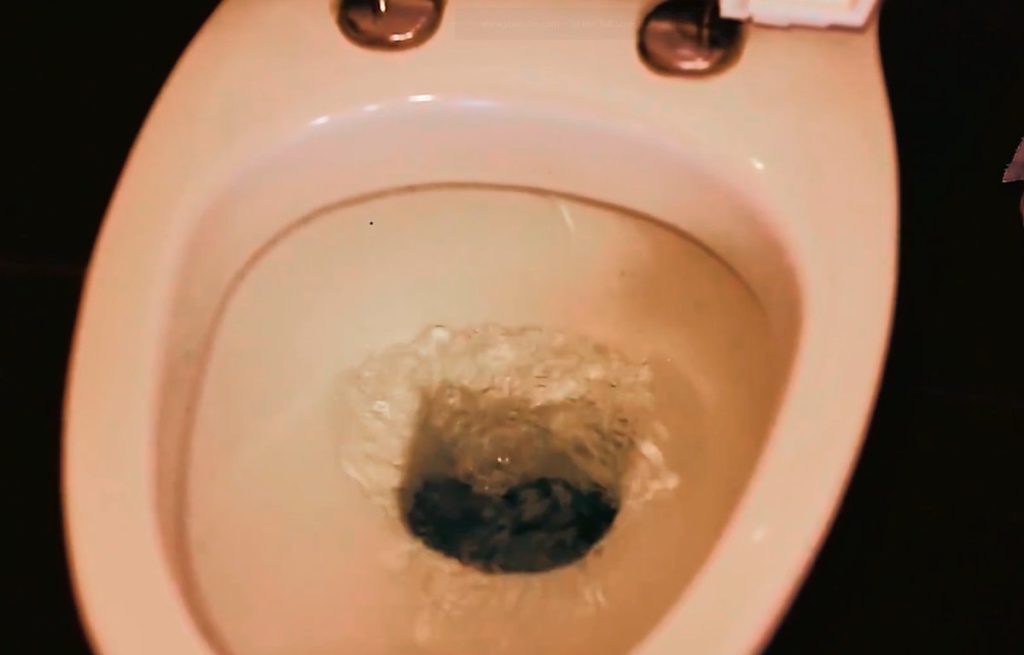
The gravity flush system provides the quietest operation and cheapest replacement cost among all residential toilet options.
- Water Usage: 1.28 to 1.6 GPF
- Hardware Cost Range: £80 to £250
- Typical Noise Level: 60 to 65 decibels
- Clog Resistance: Moderate
Gravity flush systems represent the standard residential platform worldwide. Pushing the lever lifts a rubber flapper or plastic canister, allowing stored water to drop freely into the bowl. This water enters through upper rim holes and a targeted lower siphon jet to push waste over the trapway apex. According to the Environmental Protection Agency (2023), these systems dominate standard housing because they require zero specialized plumbing lines. The design relies entirely on the physical weight of water falling from the tank. Maintenance is exceptionally simple, requiring only basic hardware store parts for routine repairs.
Honest Drawback: Gravity flush systems lack high scrubbing velocity. The gentle water flow leaves them prone to clogging when handling heavy solid waste or excessive paper usage.
- Choose this if you want simple do-it-yourself maintenance and a quiet bathroom environment.
- Skip it if your household experiences frequent plumbing clogs.
2. Pressure-Assisted Flush System: Best for High-Traffic Households
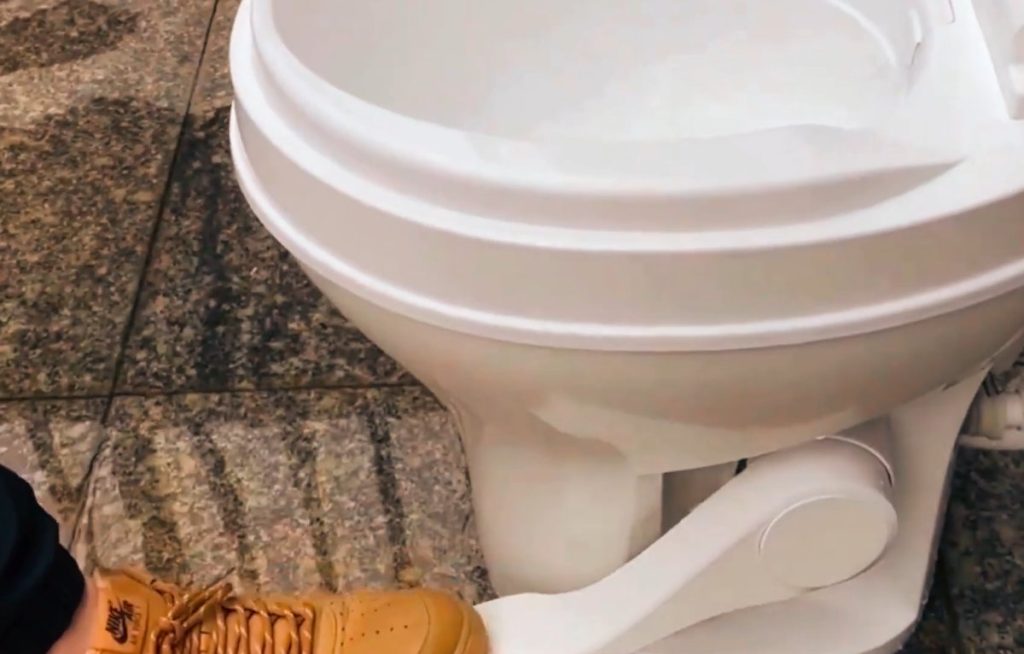
The pressure-assisted flush system utilizes compressed air to eliminate clogs and keep the porcelain bowl perfectly clean.
- Water Usage: 1.0 to 1.4 GPF
- Hardware Cost Range: £250 to £600
- Typical Noise Level: 80 to 85 decibels
- Clog Resistance: Extremely High
Pressure-assisted units pair standard water flow with tightly compressed air to launch water at high velocity. Water fills a sealed plastic pressure vessel hidden inside the ceramic tank. The air inside becomes highly compressed by the home’s static line pressure. Tripping the actuator blasts the pressurized water out rapidly. According to the American Society of Plumbing Engineers (2022), “pressure-assisted units reduce drainline blockages by up to 40% in high-traffic settings.” The rapid blast cycle takes under 4 seconds to complete. The bowl remains pristine because the aggressive water velocity strips away waste residue immediately.
Honest Drawback: Pressure-assisted toilets create an extremely loud, startling sound during operation. The proprietary sealed pressure vessels are expensive to replace once they fail.
- Choose this if you manage a rental property or have a busy household prone to clogs.
- Skip it if you are installing the fixture adjacent to a bedroom or nursery.
3. Dual-Flush System: Best for Water Conservation
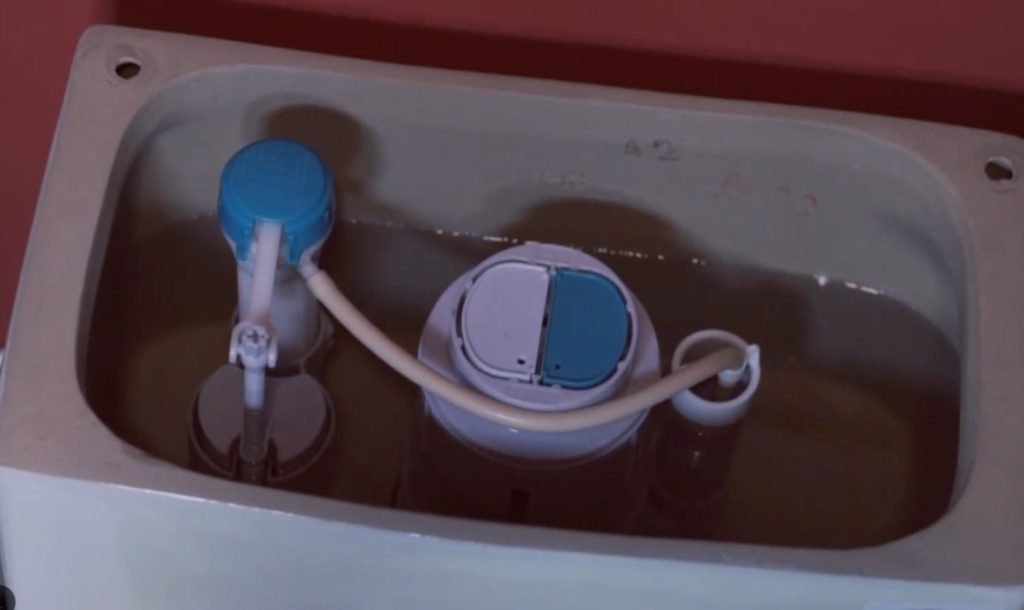
The dual-flush system features two distinct volumetric settings to minimize daily residential water consumption.
- Water Usage: 0.8 and 1.6 GPF
- Hardware Cost Range: £150 to £450
- Typical Noise Level: 60 to 65 decibels
- Clog Resistance: Moderate
Dual-flush technology operates via a split top-mounted push button. A specialized internal tower valve controls the release volume. Pressing the half-flush button opens the valve partially for liquid waste, dropping just 0.8 to 1.0 gallons of water. Pressing the full-flush button dumps the entire 1.6-gallon tank volume to handle solid waste. This configuration provides outstanding eco-efficiency for environmentally conscious homeowners. Reducing unnecessary water usage directly shrinks household utility bills over the lifespan of the fixture. The system requires standard floor flanges and connects to normal residential supply lines.
Honest Drawback: Partial flushes lack the water volume necessary to clean the bowl walls completely. This limitation occasionally leaves visible skid marks that require manual brushing.
- Choose this if lowering utility bills and conserving ecological resources are your top priorities.
- Skip it if users in your home lack the physical finger strength required to depress stiff top-mounted buttons.
4. Tornado and Cyclone Flush System: Best for Bowl Hygiene
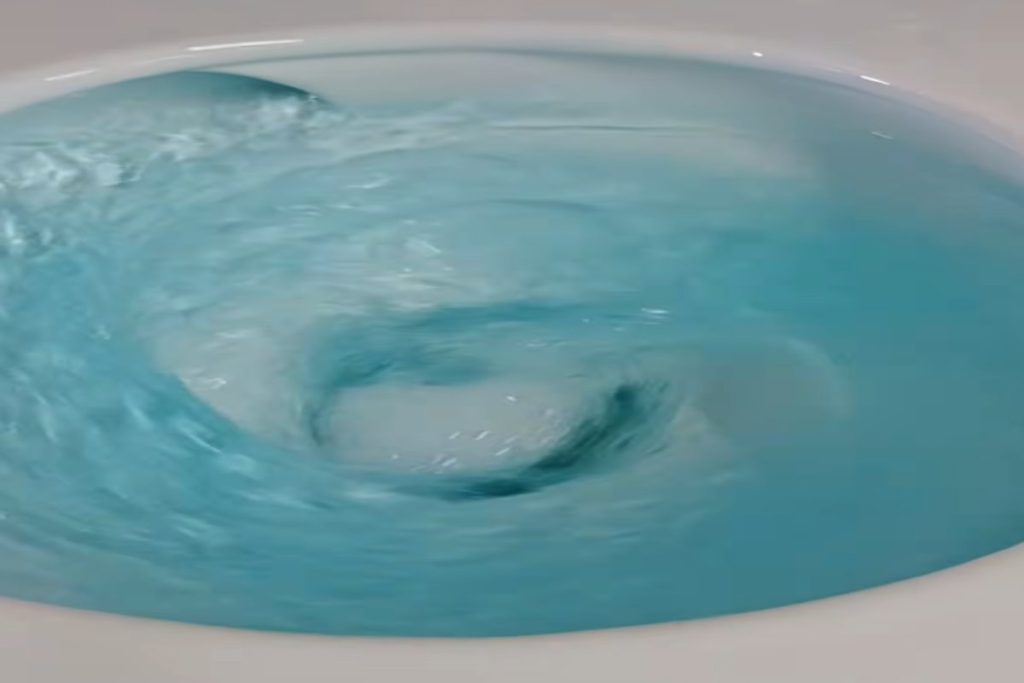
The cyclone flush system uses horizontally oriented nozzles to spin water into a powerful centrifugal vortex.
- Water Usage: 1.0 to 1.28 GPF
- Hardware Cost Range: £350 to £900
- Typical Noise Level: 70 to 75 decibels
- Clog Resistance: High
Cyclone systems utilize modern physics to maintain strict aesthetic rim hygiene. Manufacturers remove the tiny, hard-to-clean under-rim holes found on traditional gravity toilets. Instead, they install two or three larger side nozzles. Water shoots sideways upon activation, creating a dynamic whirlpool that scrubs every inch of the porcelain surface. The centrifugal cyclone forces waste down the drain rapidly while using highly efficient 1.0 to 1.28 GPF profiles. This rimless design prevents deep bacteria and mold accumulation. Families with young children benefit greatly from the significantly cleaner environment.
Honest Drawback: Cyclone systems carry a high initial purchase cost. Replacement parts often require ordering directly from the original manufacturer rather than visiting a local hardware store.
- Choose this if you despise cleaning moldy rim holes and prefer a self-scrubbing bowl.
- Skip it if your renovation budget is strictly limited.
5. Washdown Flush System: Best for Compact Spaces
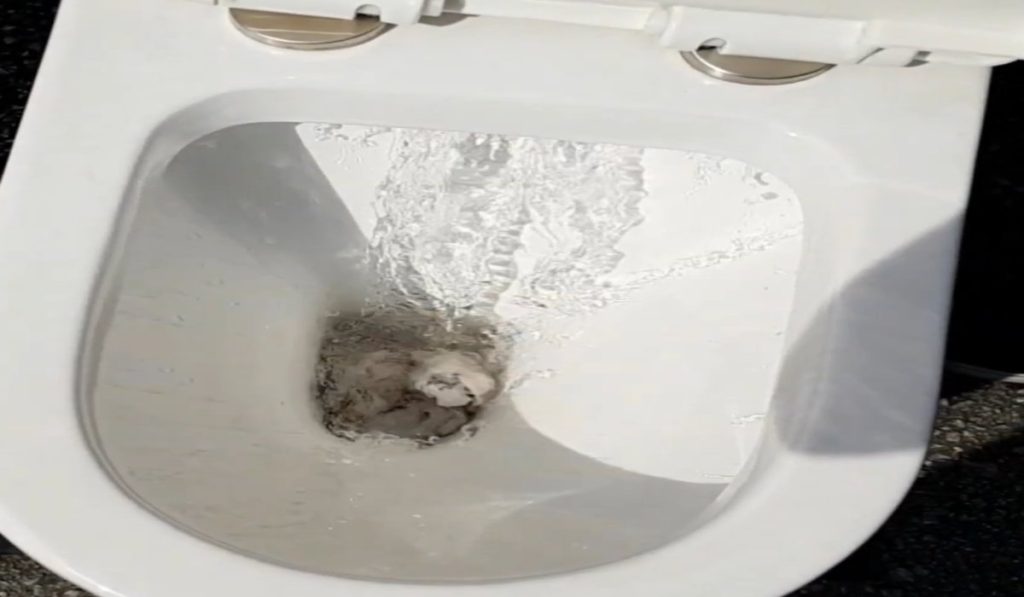
The washdown flush system rapidly dumps water from above to physically sweep waste down a very wide trapway.
- Water Usage: 1.2 to 1.6 GPF
- Hardware Cost Range: £100 to £300
- Typical Noise Level: 60 to 70 decibels
- Clog Resistance: High
Washdown toilets feature a non-siphonic, wide-trap platform highly common in European and Asian layouts. Rather than creating an internal suction siphon to pull waste out, a sudden sheet of falling water physically pushes waste directly down the drainpipe. The design features a massive 3-inch to 4-inch trapway (compared to standard siphonic 2-inch channels). This large exit pipe makes the toilet incredibly hard to clog. The physical footprint of a washdown bowl is very compact, saving valuable floor space in small urban apartments.
Honest Drawback: Washdown toilets feature a tiny water spot surface area inside the bowl. This leaves large sections of dry porcelain exposed, making the bowl highly vulnerable to routine organic staining.
- Choose this if you have a European plumbing layout or a very small bathroom space.
- Skip it if you dislike frequent manual bowl brushing.
6. Flushometer Tankless System: Best for Commercial Venues
The flushometer system completely eliminates the storage tank by drawing high-pressure water directly from the building’s main supply lines.
- Water Usage: 1.28 to 1.6 GPF
- Hardware Cost Range: £300 to £700
- Typical Noise Level: 85 to 90 decibels
- Clog Resistance: Extremely High
Flushometer valves are ubiquitous in public venues, airports, and commercial office towers. The heavy-duty chrome valve assembly sits visibly above the bowl and uses an internal rubber diaphragm or brass piston. Tripping the handle opens direct access to the water mains, flushing waste away using building infrastructure pressure alone. These systems offer zero reset wait time between flushes. They provide a rugged commercial lifespan designed to withstand thousands of daily uses without mechanical failure.
Honest Drawback: Flushometer systems require massive plumbing supply lines (minimum 1-inch pipe diameter) and high standing pressure (35 to 80 PSI). They cannot be installed in standard residential homes without expensive copper pipe refitting.
- Choose this if you are outfitting a high-traffic public restroom or a commercial facility.
- Skip it if you are remodeling a standard single-family residential home.
7. Upflush and Macerating System: Best for Basement Additions
The upflush macerating system utilizes high-speed steel blades and an electrical pump to transport waste vertically against gravity.
- Water Usage: 1.28 GPF
- Hardware Cost Range: £600 to £1,200
- Typical Noise Level: 75 to 80 decibels
- Clog Resistance: Low (if improperly used)
Upflush systems allow homeowners to install a bathroom anywhere without destroying the concrete foundation. Waste drops backward from the bowl into an electrical macerator unit. High-speed steel blades shred solid waste and toilet paper into a fine slurry. An internal pump then discharges this slurry upwards through narrow PVC piping to join the main household drain. These specialized pumps can move waste up to 15 feet vertically and 150 feet horizontally. They save thousands of pounds in excavation costs during attic conversions or basement renovations.
Honest Drawback: Macerating systems rely entirely on electricity and become completely inoperable during power outages. Mechanical failure of the shredding blades creates a severe, unsanitary repair mess.
- Choose this if you want to add a basement bathroom without breaking up your concrete floor.
- Skip it if guests frequently flush heavy wipes or feminine hygiene products.
How Do These Toilet Flush Systems Compare?
Evaluating flush systems side-by-side reveals clear trade-offs between noise levels, clog resistance, and upfront costs. Whenever three or more fixture types share comparable performance metrics, reviewing them in a structured table prevents costly purchasing errors.
The comparison matrix below outlines the average specifications for each major system category.
| Flush System Type | Water Usage (GPF) | Typical Hardware Cost | Average Decibel Level | Clog Resistance Rating |
| Gravity | 1.28 to 1.6 | £80 to £250 | 60 to 65 dB | Moderate |
| Pressure-Assisted | 1.0 to 1.4 | £250 to £600 | 80 to 85 dB | Extremely High |
| Dual-Flush | 0.8 and 1.6 | £150 to £450 | 60 to 65 dB | Moderate |
| Tornado / Cyclone | 1.0 to 1.28 | £350 to £900 | 70 to 75 dB | High |
| Washdown | 1.2 to 1.6 | £100 to £300 | 60 to 70 dB | High |
| Flushometer | 1.28 to 1.6 | £300 to £700 | 85 to 90 dB | Extremely High |
| Upflush / Macerating | 1.28 | £600 to £1,200 | 75 to 80 dB | Low (with improper use) |
Which Option Should You Choose?
Selecting the exact right fit requires matching the system’s mechanical strengths to your specific environment. Landlords outfitting multi-family rentals should invest in pressure-assisted units. The upfront cost saves thousands of pounds in off-hours plumbing service calls for tenant clogs. Families with young children benefit most from tornado or cyclone systems. The rimless design prevents deep bacteria accumulation, creating a much cleaner environment with significantly less manual scrubbing.
Eco-conscious users should install dual-flush systems immediately. Choosing the partial flush setting for liquids reduces water waste to an absolute minimum. Budget renovators and DIYers should stick to standard gravity flapper systems. They are affordable, simple to drop into place, and easily repaired at midnight using generic hardware store parts.
What Are Common Installation and Usage Mistakes?
Installing a new bathroom fixture correctly requires strict adherence to manufacturer specifications. Many homeowners ruin expensive equipment by committing basic structural or operational errors.
- Overtightening Tank Bolts: Cranking down the mounting hardware during a DIY gravity setup will crack the fragile ceramic tank footprint. This causes immediate structural ruin and voids the warranty.
- Flushing Heavy Wipes: Macerating upflush impellers will choke instantly on so-called “flushable” wet wipes. Standard siphonic trapways also catch these heavy fabrics, leading to immediate blockages.
- Ignoring Line Pressure Restrictions: Buying a pressure-assisted unit when your home’s incoming structural water pressure is under 25 PSI results in weak, stuttering half-flushes.
- Using Chemical Tank Tablets: Dropping bleach tablets directly into a gravity tank will dissolve the rubber flapper valve within six months. The resulting decay causes silent, continuous water leaks.
How Can You Troubleshoot a Failing Flush System?
Diagnosing a malfunctioning toilet requires identifying the exact symptom before ordering replacement parts. Most residential failures stem from decaying rubber seals or mineral scale buildup inside the water delivery channels.
A toilet that runs constantly typically suffers from a warped rubber flapper. Water continuously escapes into the bowl, forcing the fill valve to run without stopping. Weak, lazy flush action usually indicates mineral scale deposits choking the small under-rim water distribution jets. Clear out the scale using an allen wrench tip and a hot vinegar soak. Finally, water dropping silently into the bowl often points to a decaying flush valve washer seat assembly. You must twist out the cartridge and replace the lower silicon ring gasket.
| Common Symptom | Likely Component Failure | Recommended Fix | Estimated Repair Cost |
| Running constantly | Warped rubber flapper | Replace flapper seal | £5 to £15 |
| Weak lazy flush | Mineral scale in rim jets | Vinegar flush and manual clearing | £0 to £10 |
| Leaking into bowl | Decaying flush valve washer | Replace lower silicon ring gasket | £15 to £30 |
| Hissing near tank | Fill valve float set too high | Lower float arm below overflow tube | £0 |
Frequently Asked Questions
Do I need a special toilet for a basement installation?
Basement installations located below the main sewer line require an upflush macerating system. These specialized electric units grind waste and pump it vertically up to the main household drain line, saving you from expensive concrete excavation.
How much water pressure does a tankless toilet require?
Commercial flushometer tankless toilets require a minimum static water pressure of 35 PSI and a dynamic volume delivered through a 1-inch supply line. Standard residential half-inch pipes cannot provide the necessary water volume to operate the valve correctly.
Why is my pressure-assisted toilet so loud?
Pressure-assisted toilets generate up to 85 decibels of noise because they release tightly compressed air alongside the water payload. The rapid expansion of this pressurized air creates a miniature explosion inside the bowl, which forcefully ejects the waste.
Can I convert a gravity toilet to a dual-flush system?
You can convert most standard gravity toilets to dual-flush functionality using an aftermarket drop-in conversion kit. These kits replace the traditional flapper and chain with a tower valve mechanism, allowing you to select half or full flushes.
Final Thoughts on the 7 Types of Toilet Flushing Systems
The long-term performance of your bathroom depends entirely on aligning your plumbing reality with the correct hardware. The 7 types of toilet flushing systems range from the silent, budget-friendly gravity models to the powerful, commercial-grade flushometers. Before purchasing a new unit, verify your home’s incoming water pressure, measure your supply line diameter, and determine your tolerance for operational noise. Installing the right mechanism guarantees lower utility costs, fewer late-night plumbing emergencies, and a significantly cleaner bathroom environment.