How to Cap Water Line for Refrigerator Safely
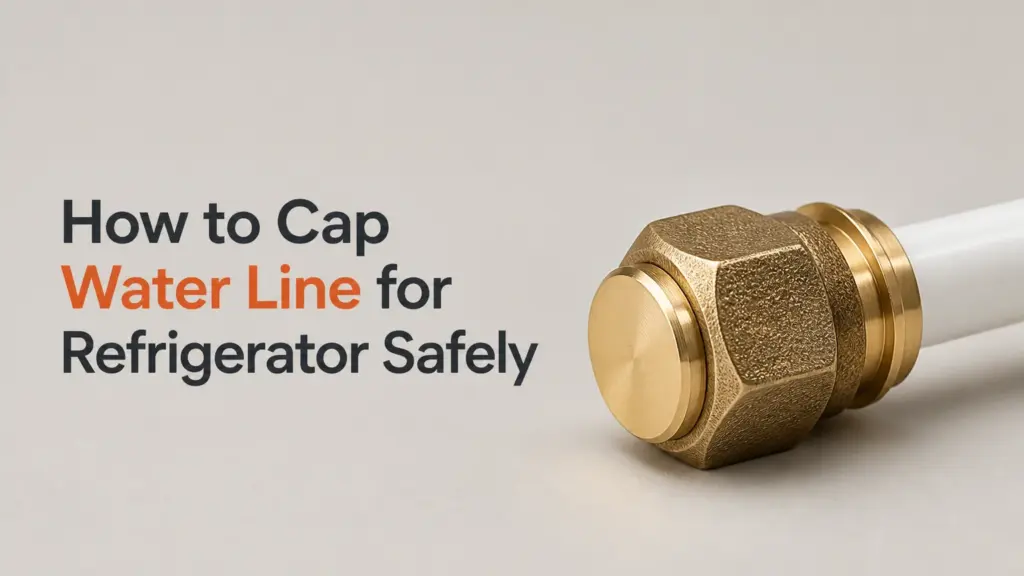
To cap a refrigerator water line, shut off the supply valve, drain and disconnect the tubing, make a square cut if needed, install a compatible 1/4-inch compression or push-to-connect cap, then restore pressure and inspect for leaks. The most important factor is matching the cap to the tube material and outside diameter. Key Facts at […]
How to Tell if Electric Hot Water Heater Is On Safely
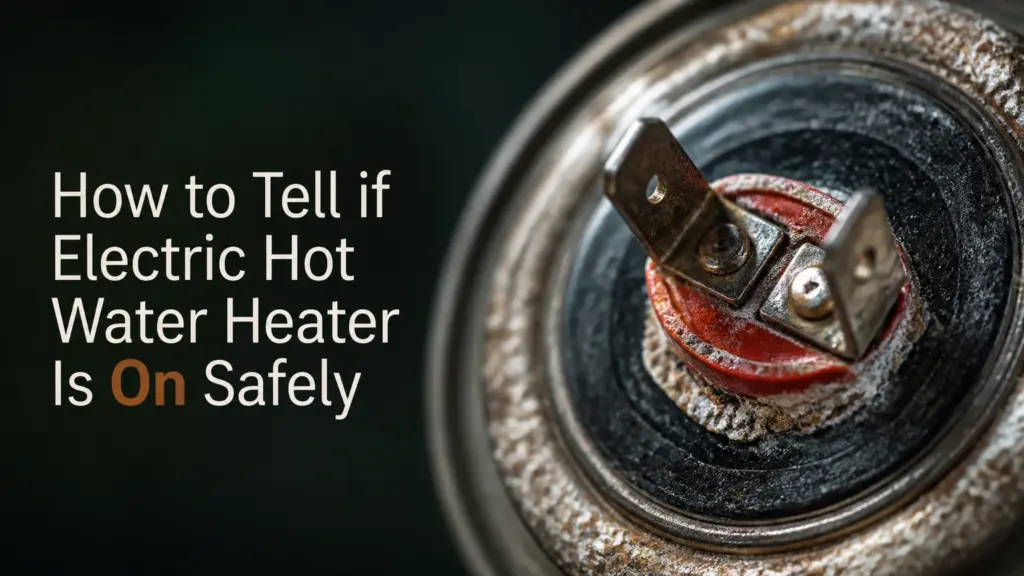
An electric hot water heater is on when its circuit is energized and its thermostat is sending power to a heating element, heat-pump compressor, or tankless heating module. Check the dedicated breaker and controls first, then confirm hot-water recovery at a faucet. Do not open energized access panels unless you are qualified to test 240-volt […]
How to Add Jets to a Bathtub: Safe Options
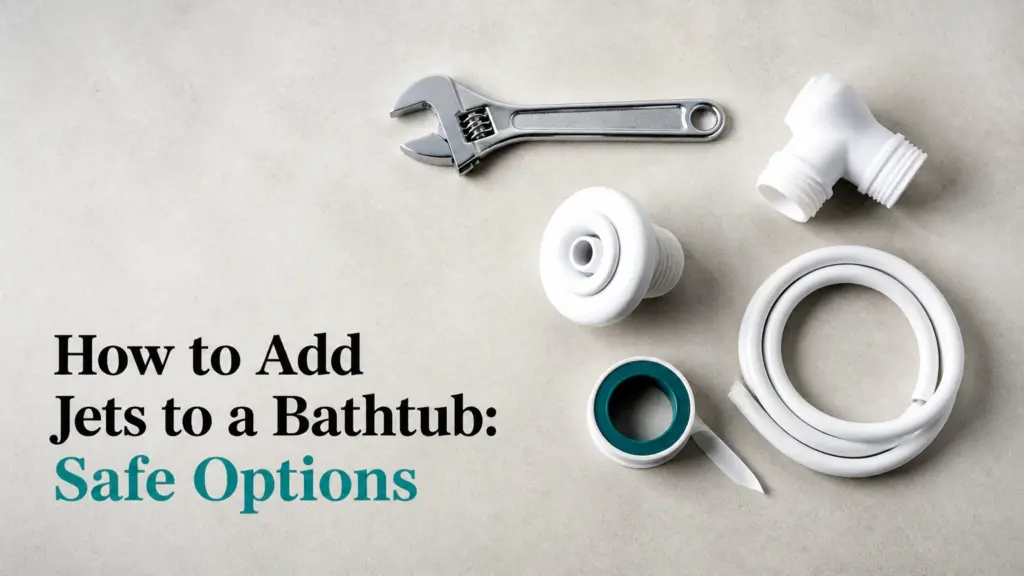
You can add jets to a bathtub with a removable water-jet device, a floor-mounted air-bubble mat, or a permanent whirlpool retrofit. Portable systems take minutes and require no drilling, while a permanent conversion requires tub-compatible cutting, concealed plumbing, pump access, leak testing, and electrical work that may require licensed trades. Key Facts A portable bathtub […]
How to Clean Refinished Bathtub: Safe, Simple Routine
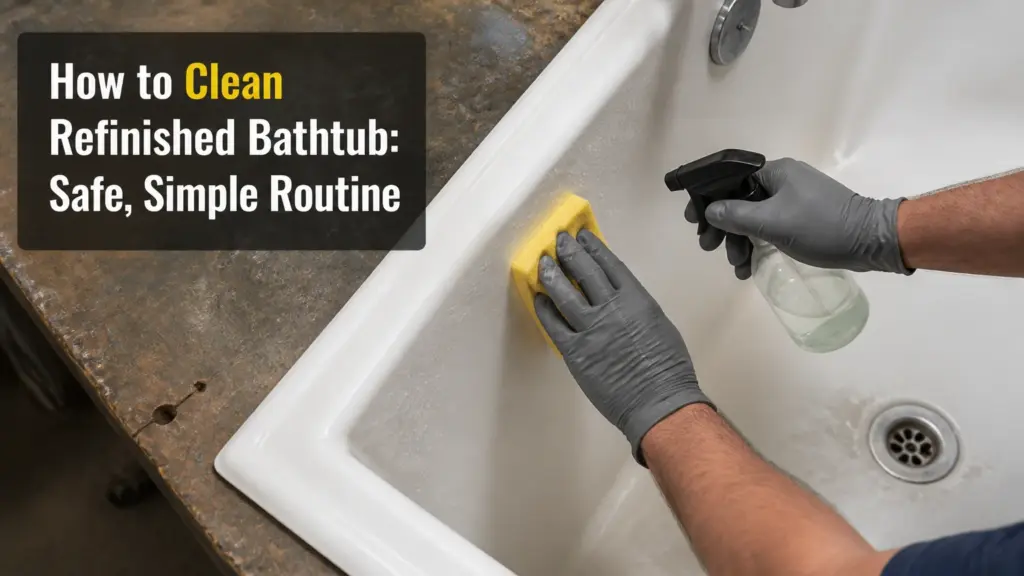
To clean a refinished bathtub, rinse away residue, apply a non-abrasive liquid cleaner, wipe with a soft microfiber cloth or sponge, rinse thoroughly, and dry the coating. The safest routine takes about 10-15 minutes and uses mild dish soap or a refinisher-approved bathroom spray, never abrasive powder, harsh scrubbers, or unapproved chemicals. Key Facts at […]
How to Lock an Outside Water Faucet Safely and Quickly
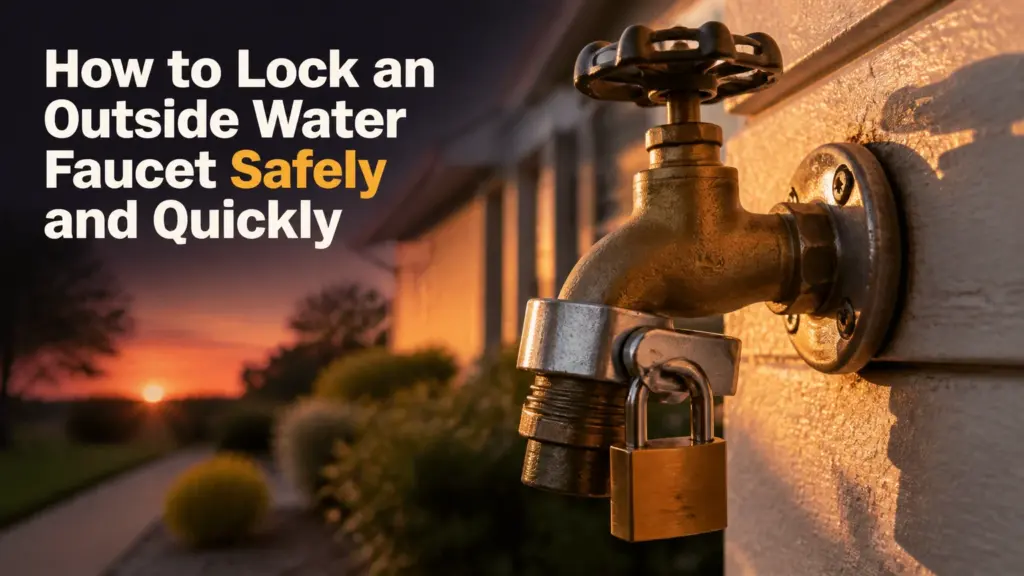
To lock an outside water faucet, first turn the hose bibb handle fully clockwise, then fit either a handle-enclosure lock over the valve or a keyed cap onto the 3/4-inch hose outlet. Secure the device with its padlock or key, confirm that nobody can operate the handle or remove the cap, and test for leaks […]
How to Switch RV Water Heater From Propane to Electric Safely
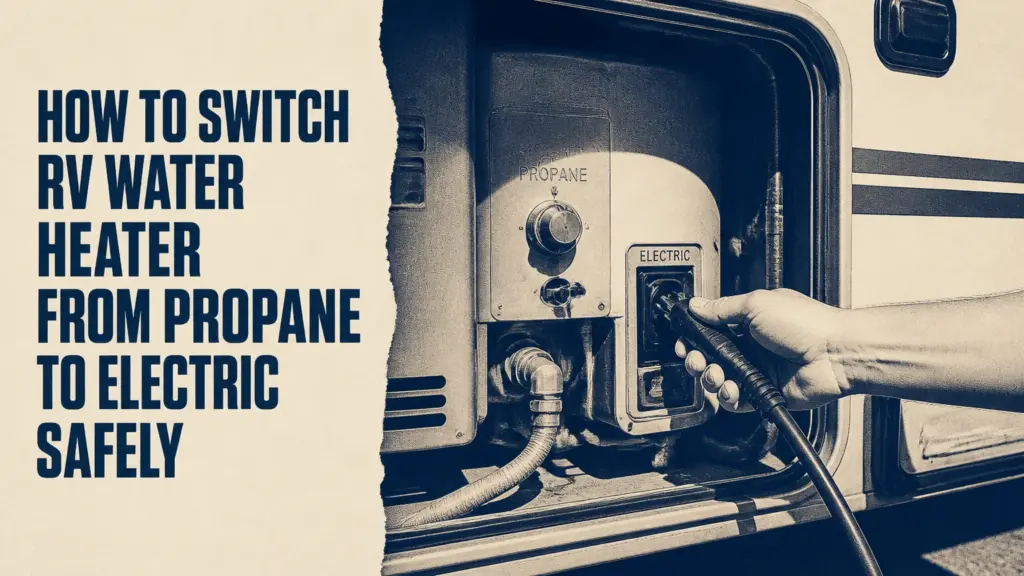
To switch an RV water heater from propane to electric, fill the tank completely, connect to stable 120-volt AC power, turn on the water-heater circuit breaker, disable propane mode, and activate the electric switch for your model. The most important condition is a full tank, because an energized heating element can burn out rapidly without […]
How to Secure Free Standing Tub Safely
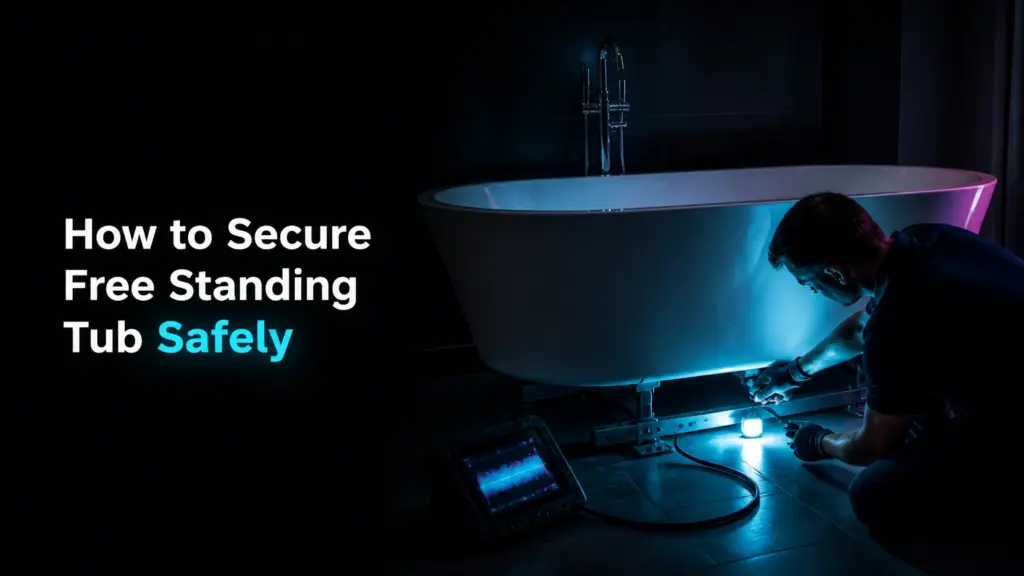
To secure a freestanding tub, first stabilize the tub’s base on a flat finished floor, then connect and test the drain, and finally bond the base with manufacturer-approved 100% silicone or install concealed brackets where specified. A correct dry fit, clean surfaces, full tailpiece engagement, and an undisturbed cure prevent movement, leaks, and plumbing damage. […]
How to Replace Handle on Outside Faucet: Complete Guide
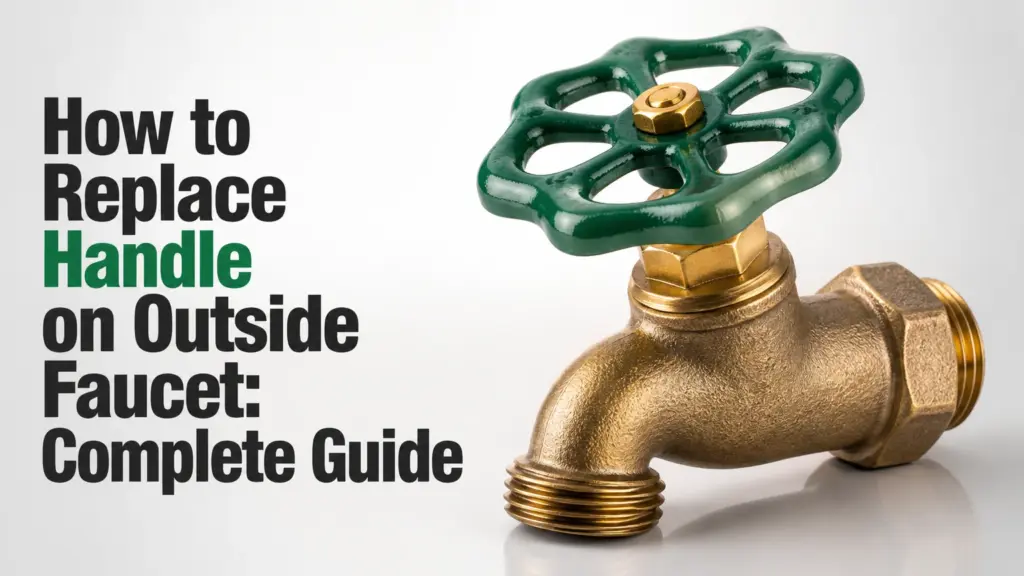
To replace a handle on an outside faucet, shut off the water if possible, remove the center screw, pull the old handle from the valve stem, clean the stem, and install a matching replacement. The repair usually takes 5-15 minutes, but correct stem or spline matching determines whether the new handle turns the valve securely. […]
How to Fix a Scratch in a Bathtub: 4 Safe Repair Methods
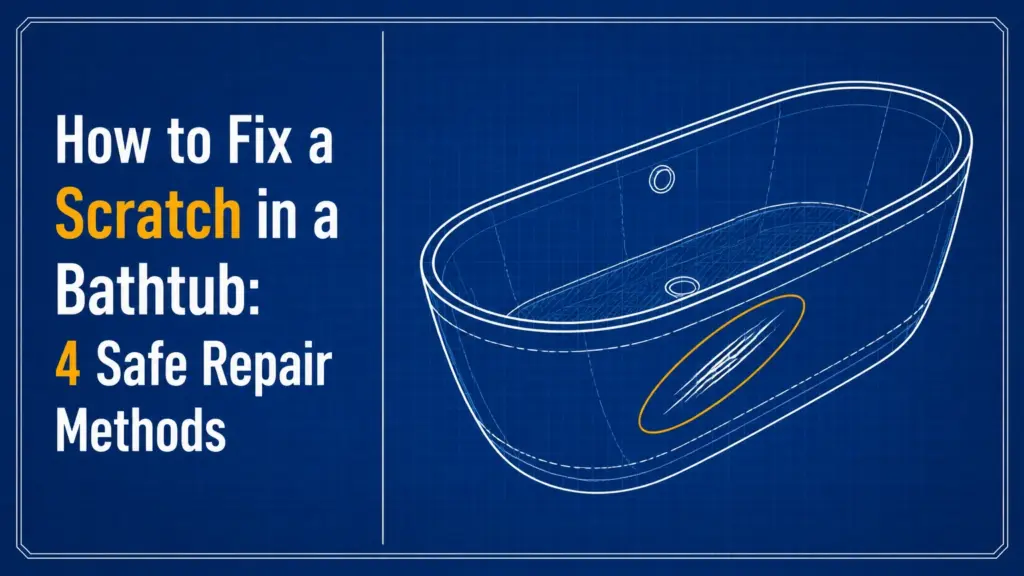
To fix a scratch in a bathtub, first identify the tub material and test whether a fingernail catches in the damage. Polish a shallow mark on acrylic or fiberglass, use a color-matched repair kit for a scratch that reaches the coating or substrate, and treat exposed metal, flexing, or branching damage as a professional repair. […]
How to Remove Faucet Handle Without Screws: Safe DIY Steps
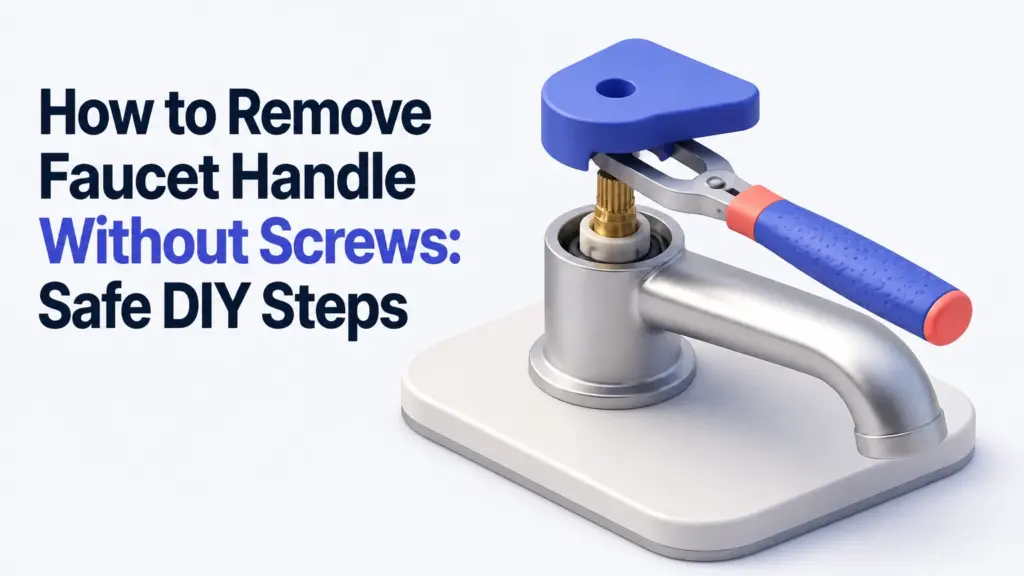
To remove a faucet handle without screws, identify whether the handle uses a hidden set screw, threaded collar, decorative cap, or snap-fit connection. Protect the finish, expose or loosen the attachment, then pull the handle straight from the cartridge stem. Most removals take 15-45 minutes with $5-$30 of basic tools. Key Facts A faucet handle […]