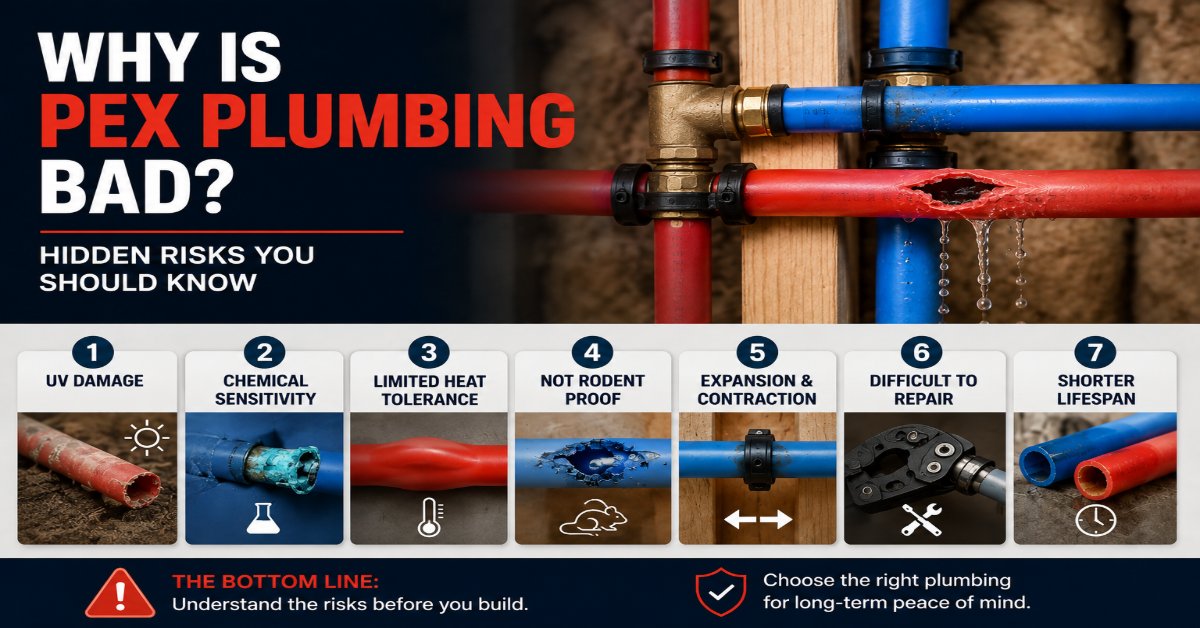
PEX plumbing is not universally bad, but it suffers from scientifically verified chemical, environmental, and mechanical vulnerabilities that cause catastrophic failures in unsuited environments. While valued for its flexibility and low cost of fifty cents to two dollars per foot compared to copper, cross-linked polyethylene degrades under specific chemical, UV, and physical conditions.
At a Glance
- PEX plumbing leaches volatile organic compounds and toxic chemicals, especially during the first few months of use.
- Hot, chlorinated water depletes embedded antioxidants, leading to brittle oxidative failure and hidden pinhole leaks.
- PEX has zero UV resistance and can become structurally compromised within thirty to sixty days of sunlight exposure.
- Rodents easily chew through soft PEX walls, attracted by the warmth and subtle vibrations of running water.
- Fittings that insert inside PEX pipe walls can restrict water flow and trigger pressure imbalances in fixtures like tub spouts.
What Are the Chemical Leaching and Water Quality Degradation Risks in PEX?
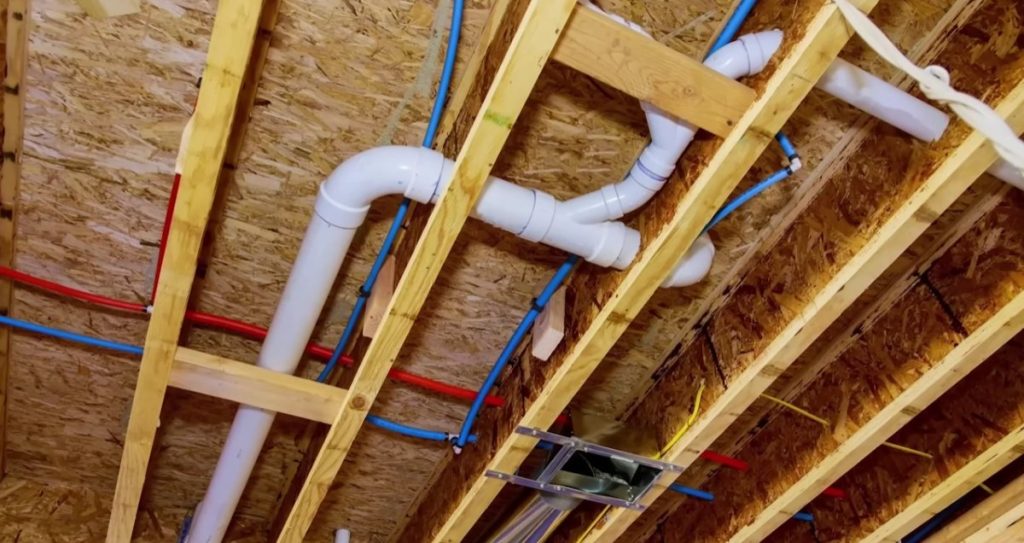
PEX is a cross-linked high-density polyethylene plastic. Unlike inert copper pipe systems, the manufacturing and cross-linking process introduces chemical additives, stabilizers, and manufacturing residues that migrate directly into drinking water. A scientific study published by Science Direct tested water from eight distinct PEX brands and discovered sixty-two separate chemicals leaching into the water, with approximately half classified as toxicological.
Purdue University researchers identified specific volatile organic compounds leaching from PEX, including toluene, a known neurotoxin, and methyl tert-butyl ether, classified as a potential carcinogen. This chemical migration spikes drastically when the system is newly installed. Concentrations of compounds like tert-butyl alcohol remain highly concentrated during the initial operational months, often producing an acetone, wax, or plastic taste and odor that violates aesthetic drinking water standards.
How Does Chlorine Degradation and Oxidation Cause PEX Failure?
Municipal water treatment facilities add chlorine or chloramines to disinfect drinking water against pathogens. PEX pipes rely on embedded chemical antioxidants within the polymer matrix to resist this chemical attack. Continuous exposure to hot, heavily chlorinated water systematically strips away these protective antioxidants over time.
Once the antioxidant reserve is depleted, free chlorine directly attacks the polyethylene molecular chain, causing micro-cracking and brittle oxidative failure. This mechanism results in hidden, pinhole leaks inside wall cavities and ceilings. Major class-action lawsuits allege that these failures occur in as little as three to ten years, severely undercutting the marketed forty to fifty-year operational lifespan of the material.
Why Is PEX Vulnerable to Ultraviolet Radiation?
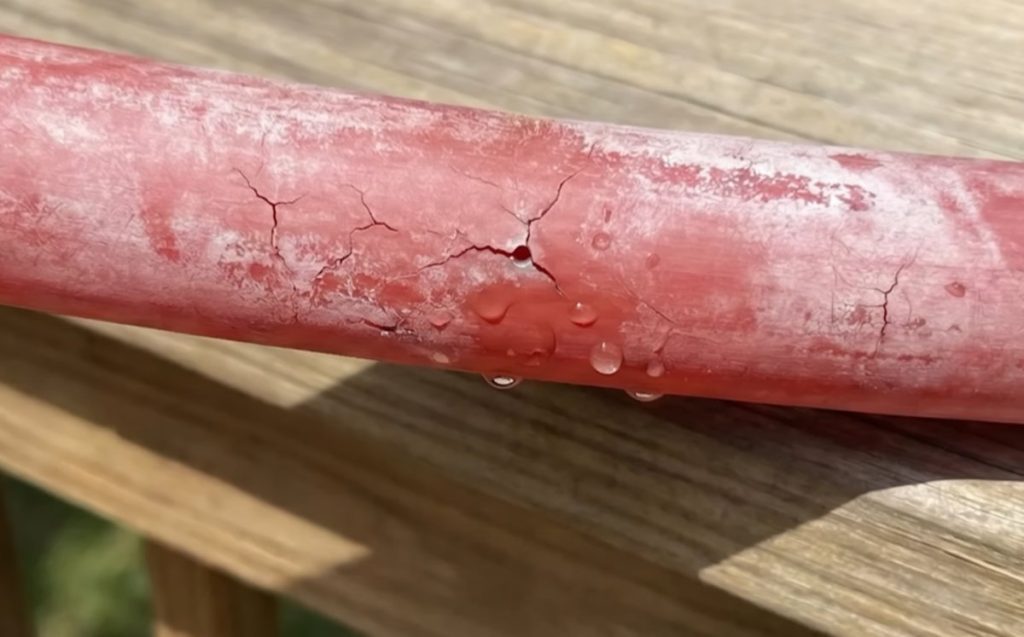
PEX possesses virtually zero natural protection against ultraviolet radiation. Depending on the specific manufacturer, PEX tubing can tolerate only thirty to sixty days of cumulative UV exposure, including sunlight encountered during factory transit, outdoor distributor storage, or open construction sites, before the outer polymer layer becomes dangerously brittle.
Even indirect ultraviolet light passing through a garage window, an unsealed attic, or an open crawlspace can initiate structural micro-fractures in the plastic. These weakened zones lead to sudden, catastrophic pipe bursts under standard municipal water pressure. Professional installers must keep PEX covered with opaque sleeves or store it indoors prior to final installation.
How Do Rodents Physically Damage PEX Plumbing?
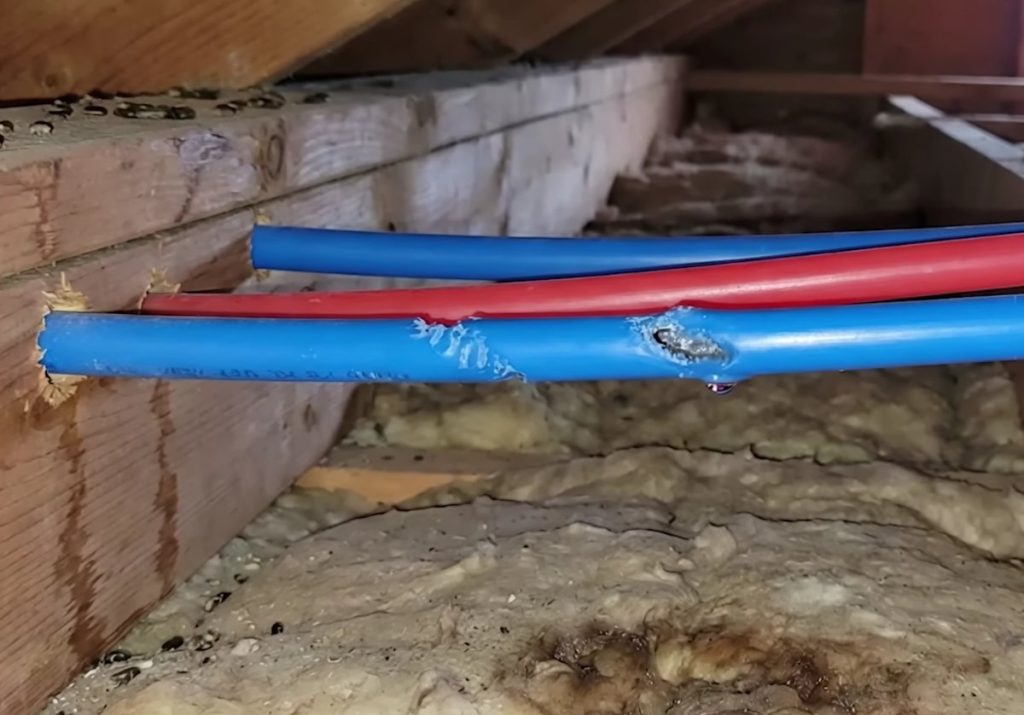
PEX pipe is soft, flexible, and holds internal temperatures that transfer through the pipe wall. Mice and rats can easily chew through PEX pipe walls because the soft polymer offers minimal mechanical resistance to rodent incisors. Rodents are frequently attracted to the subtle humming vibrations of water pressure or the ambient warmth radiating from hot water supply lines.
A single rodent can gnaw through a pressurized PEX line in a matter of minutes, triggering instant, severe structural flooding before anyone notices the drop in system pressure. Homeowners with chronic rodent issues in crawlspaces or wall cavities face a significantly elevated risk of PEX pipe destruction compared to rigid metal piping.
What Are the Specific Temperature and Pressure Ratings That Trigger PEX Burst Failures?
PEX pipes are rated for standard residential operating pressures of eighty pounds per square inch at one hundred and eighty degrees Fahrenheit. However, pressure spikes caused by thermal expansion, faulty pressure-reducing valves, or water hammer events frequently exceed these operational limits. When water inside a PEX line freezes, the pipe can expand by up to thirty percent, but repeated freeze-thaw cycles fatigue the cross-linked bonds.
If operating temperatures exceed two hundred degrees Fahrenheit due to a malfunctioning boiler or water heater thermostat, the burst pressure threshold of PEX drops precipitously. Once subjected to prolonged overheating, the structural integrity of the plastic degrades, leading to sudden wall blowouts.
How Does PEX Compare to Copper and CPVC in Long-Term Failure Rates?
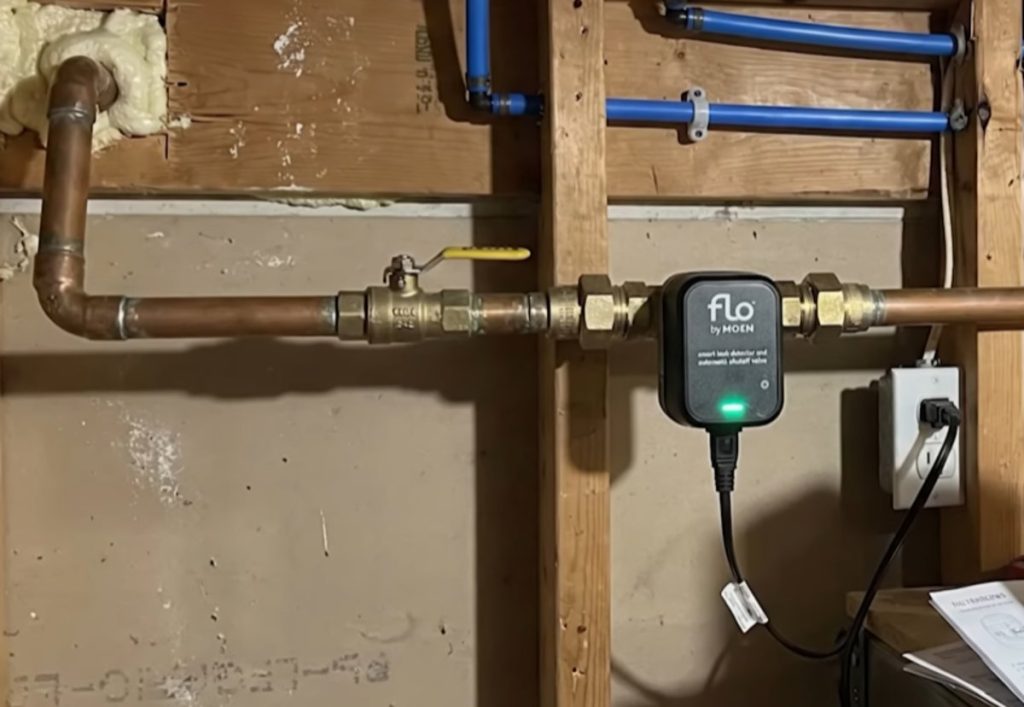
Copper plumbing offers a proven lifespan exceeding fifty years, resisting UV light and chemical leaching entirely, though it remains vulnerable to acidic water corrosion and pinhole leaks from high-velocity water flow. CPVC is rigid and chemically inert regarding VOC leaching, but it becomes extremely brittle with age and shatters easily under impact.
PEX occupies a middle ground of cost efficiency and installation speed, but its failure curve is steeper due to chemical oxidation, rodent vulnerability, and installation-dependent errors. While copper failures are typically visible pinholes caused by electrochemical wear, PEX failures often manifest as sudden, brittle snaps or fitting separations that release large volumes of water rapidly.
Why Does PEX Cause Flow Restriction in Recessed Shower Valves?
General plumbing advice claims PEX matches copper performance, but standard insert fittings reduce the effective internal diameter of the plumbing run. If a technician runs standard half-inch PEX directly from a shower mixing valve down to a tub spout, the internal barb fitting restricts the water flow from a half-inch down to roughly a quarter-inch or three-eighths of an inch.
Because water cannot exit the restrictive tub spout fast enough during a bath filling operation, the resulting back-pressure forces water up the vertical riser pipe. This pressure differential causes the showerhead to leak and drip simultaneously while filling the bathtub. Plumbers must use copper stubs or specialized full-port expansion fittings for tub spouts to prevent this hydraulic restriction.
What Is the High Zinc Brass Dezincification Synergy with PEX Fittings?
Using standard yellow brass crimp fittings in regions characterized by high water acidity or specific mineral chemistry triggers rapid dezincification. Water passing through the system leaches the zinc out of the brass alloy, leaving behind a porous, structurally weak copper sponge shell.
These compromised fittings corrode, snap under pressure, or clog completely with white zinc oxide scale, choking off a home’s water pressure entirely. This exact chemical synergy triggered multi-million dollar class-action settlements from major manufacturing brands like Zurn and NIBCO, forcing many municipalities to ban yellow brass insert fittings in favor of engineered polymer or red brass alternatives.
How Does Environmental Fuel and Pesticide Permeation Affect PEX?
PEX is a semi-permeable polymeric material compared to dense, impervious metals like copper or iron. If PEX water supply lines are buried directly in soil contaminated by a heating oil spill, agricultural pesticide runoff, or nearby underground chemical storage tanks, petroleum hydrocarbons and volatile chemicals can permeate straight through the solid plastic pipe wall.
These environmental toxins contaminate the drinking water inside the pipe without ever creating a physical leak or pressure drop. Homeowners installing PEX in industrial zones, brownfields, or areas with high chemical contamination risks must run lines through protective PVC conduit sleeves.
Is PEX-A Safer or Better Than PEX-B?
PEX-A is manufactured using the Engel peroxide method, making it exceptionally flexible and capable of self-healing from sharp kinks using a heat gun, but research indicates PEX-A leaches higher initial levels of volatile organic compounds and chemical residues than PEX-B. PEX-B is manufactured using a silane moisture-cured process, yielding higher burst pressure resistance and lower initial chemical leaching, but it is stiffer and relies heavily on internal insert fittings that restrict water flow.
Neither type is universally superior; PEX-A excels in cold-climate freeze resistance and expansion connection security, while PEX-B offers higher tensile strength and lower chemical migration profiles during initial use.
Does PEX Plumbing Cause Cancer?
There is no definitive epidemiological evidence linking PEX plumbing directly to human cancer under normal residential operating conditions. While laboratory testing confirms that PEX leaches trace amounts of compounds like methyl tert-butyl ether and benzene under extreme thermal stress or fire conditions exceeding eight hundred and forty degrees Fahrenheit, standard operating temperatures keep leached chemical concentrations below strict Environmental Protection Agency action thresholds after an initial flushing period.
Independent toxicological reviews confirm that municipal water treated with standard disinfectants presents a far higher baseline chemical exposure risk than the trace leachates contributed by properly installed PEX piping systems.
What Are the Early Warning Signs of Failing PEX Pipes Inside Walls?
Early warning indicators of failing PEX plumbing include an unexplained, persistent chemical or plastic taste in tap water, sudden drops in household water pressure caused by internal fitting scaling, or faint mold and mildew odors near baseboards where hidden pinhole leaks dampen drywall insulation. Homeowners should also monitor utility bills for unexpected spikes in water consumption.
Thermal imaging cameras can detect hidden warm spots or moisture trails behind drywall caused by slow, continuous weeping from oxidized PEX lines or failing brass crimp rings before structural rotting occurs.
Which Specific Insurance Companies Deny Coverage for Homes with Certain PEX Piping Systems?
Certain property insurance providers restrict or deny coverage for homes outfitted with specific older generations of PEX tubing or brass fittings linked to high failure rates, such as early generation polybutylene or recalled Zurn brass insert systems. Insurers examine plumbing materials during underwriting to mitigate water damage payout risks.
Homeowners with documented historical class-action PEX installations may face higher insurance deductibles for water damage claims or requirements to complete whole-house repiping before securing a policy.
How Does Hard Water Mineral Scaling Interact with PEX Expansion Fittings?
Hard water containing high concentrations of calcium and magnesium minerals interacts unfavorably with standard PEX insert fittings by accelerating mineral accumulation along the restricted inner diameter of the barb. Over time, this scaling narrows the waterway further, compounding flow restriction issues and creating turbulence that accelerates localized pipe wear.
While PEX-A expansion fittings maintain a wider internal bore than PEX-B crimp fittings, mineral scaling remains a chronic maintenance challenge in regions with hard water unless a whole-home water softening system is installed upstream.
How Can You Make PEX Water Safe to Drink?
If you have a newly installed PEX system, flush all household lines thoroughly for thirty to sixty seconds before drawing water for drinking or cooking whenever the water has remained stagnant for several hours. To permanently eliminate leached volatile organic compounds, lingering plastic tastes, and chemical odors, install an activated carbon block filter or a certified reverse osmosis drinking water system directly at your kitchen tap.
Routine water testing every twelve months ensures that chemical migration levels remain negligible as the PEX polymer ages.
What Is the Proper Procedure for Replacing Failed PEX Lines Without Tearing Out Drywall?
Replacing failed PEX lines without extensive drywall destruction requires utilizing existing wall cavities, access panels, and strategic entry points near mechanical rooms. Plumbers cut small, targeted access holes at pipe junctions, attach a new PEX-A line to the damaged failing pipe using a specialized pulling adapter, and draw the new line through the wall framing by pulling from the opposite end.
For complex runs, flexible PEX can be routed through abandoned old copper pipe chases or flexible protective sleeves, minimizing structural patching and reducing overall repair labor costs.
The Bottom Line
PEX plumbing offers undeniable advantages in installation speed, flexibility, and material cost, but it is far from an indestructible universal solution. Understanding its critical vulnerabilities—including chemical leaching, chlorine oxidation, UV sensitivity, and rodent susceptibility—allows homeowners and builders to deploy PEX correctly while avoiding high-risk environmental settings. Always match the pipe type, fitting style, and protective measures to your specific local water chemistry and installation environment to ensure long-term system reliability.