How to Connect PEX Piping: Reliable Joints
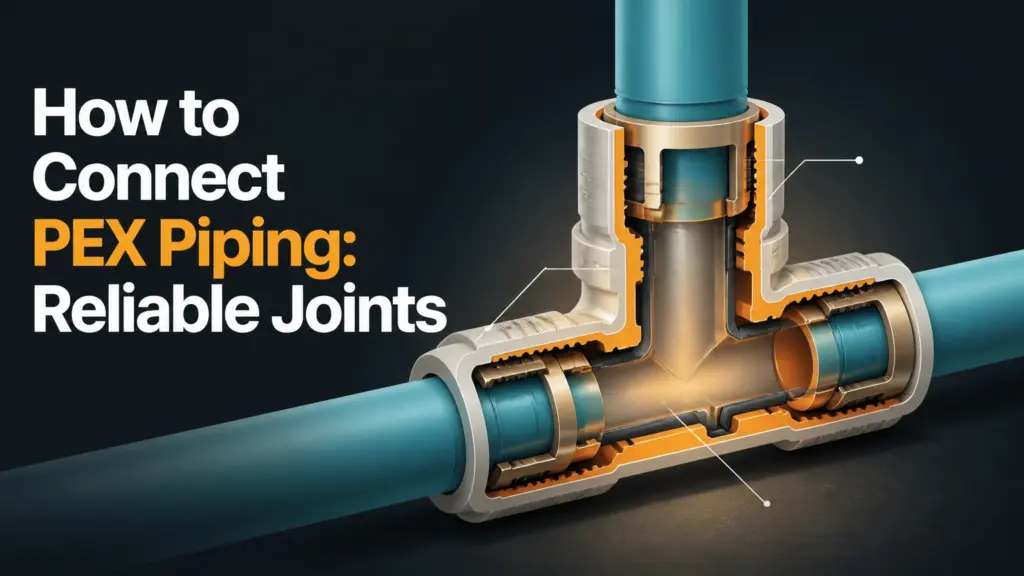
To connect PEX piping, cut the tube square, select a fitting system compatible with the pipe, insert the fitting to its stop, and secure it with a correctly installed crimp ring, cinch clamp, expansion sleeve, or push-to-connect mechanism. A clean cut, correct insertion depth, and manufacturer-approved tool determine whether the joint remains watertight. Key Facts […]
How to Vent a Gas Water Heater in a Basement Safely
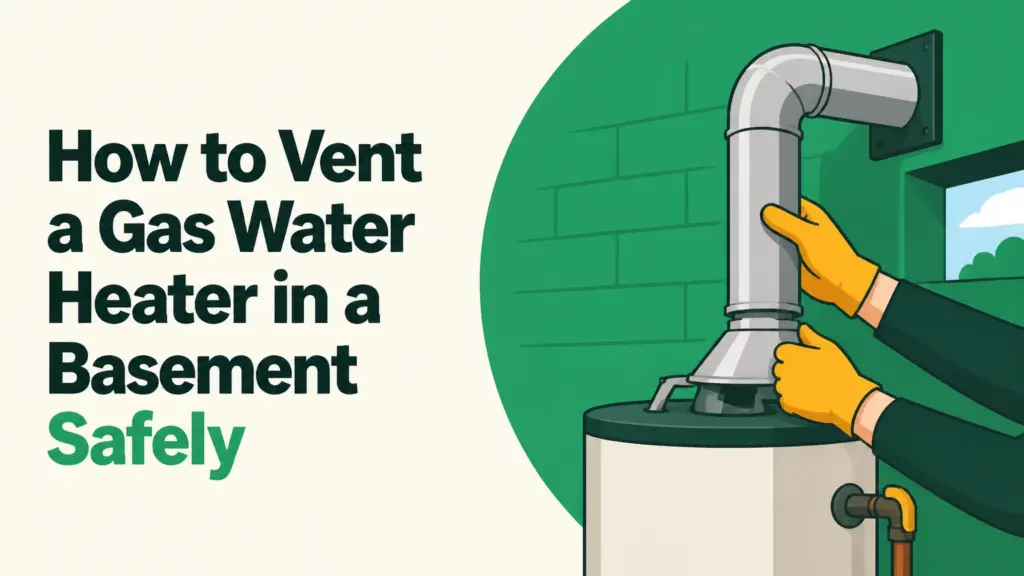
To vent a gas water heater in a basement, use the venting system specified for that exact appliance and route combustion gases to an approved roof or side-wall termination. A licensed plumber or HVAC professional must verify draft, combustion air, clearances, termination distances, gas operation, and carbon-monoxide safety before the heater operates. Key facts at […]
How to Ice Maker Water Line: Install It Safely
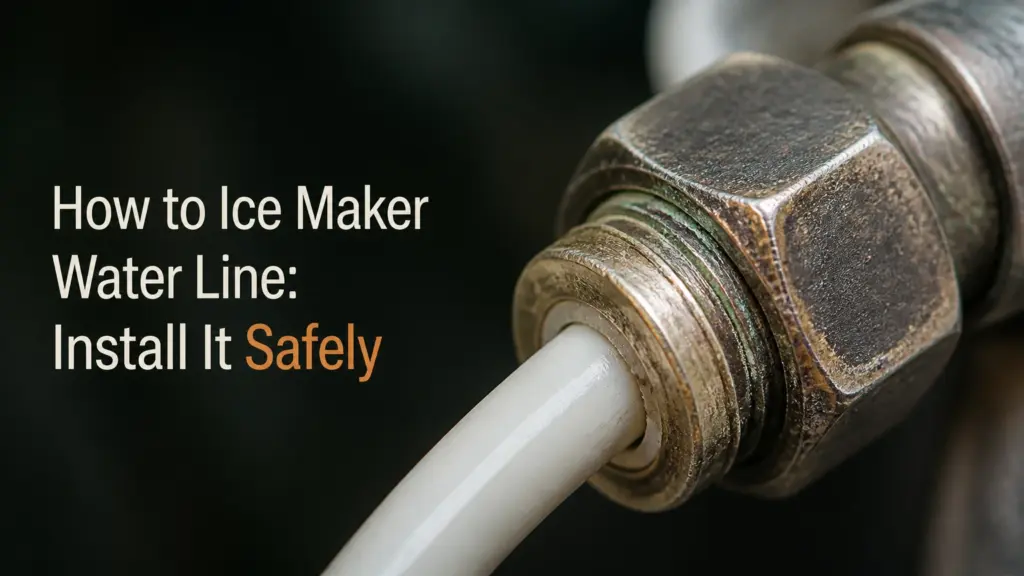
An ice maker water line connects a refrigerator’s electric inlet valve to a cold, pressurized potable-water supply, usually through a 1/4-inch outside-diameter tube. To install one, shut off the supply, add a proper tee or dual-outlet valve, route the tubing without kinks, flush it, connect the refrigerator, and test every joint for leaks. Key Facts […]
How to Plumb Water Supply Lines Safely
To plumb water supply lines, plan the hot and cold distribution, install code-approved pipe from the main shutoff to each fixture, protect penetrations, connect fittings correctly, and pressure-test before closing walls. A typical single-bathroom PEX rough-in takes 4-8 hours for an experienced DIYer, but local code and the building layout determine the final design. Key […]
How to Hook Up Hot Water Heater to Generator Safely

To hook up a hot water heater to a generator, first identify whether the heater is gas, electric, hybrid, or tankless, then match its voltage and wattage to a properly sized generator. A 240V electric tank heater normally requires a listed transfer switch or interlock installed by an electrician, while an approved 120V gas heater […]
How to Remove Jets From Whirlpool Tub: Safe DIY Steps
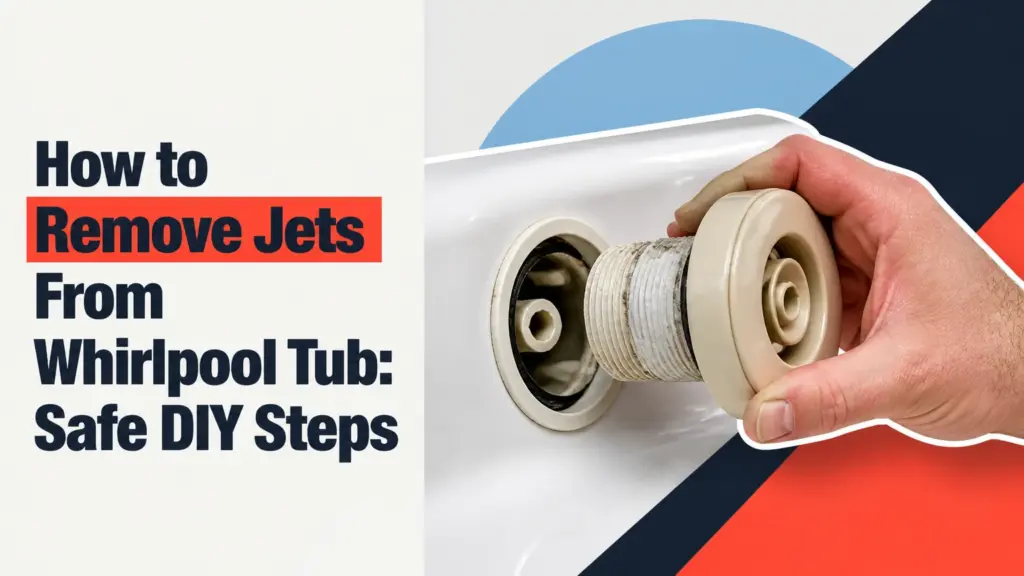
To remove jets from a whirlpool tub, switch off the tub’s GFCI circuit, identify the removable jet insert, then twist, unscrew, or hook-extract the insert according to its retaining mechanism. Most inserts take 5-15 minutes each to remove. The permanently plumbed jet body should remain in place unless the entire system is being professionally deleted. […]
How to Fix a Burst Water Pipe in the Wall Safely
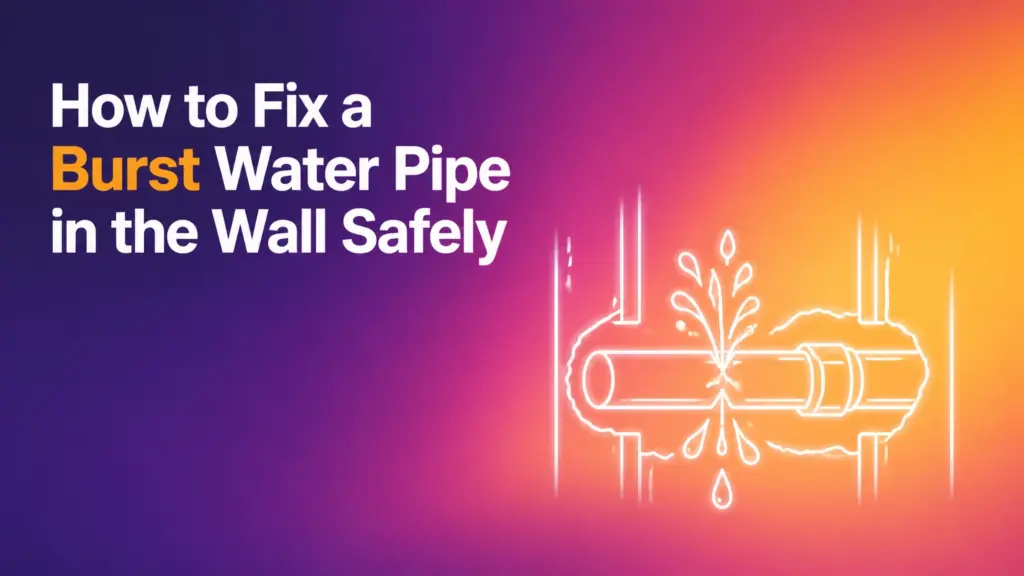
To fix a burst water pipe in the wall, shut off the main water supply, isolate electricity from the wet area, drain residual pressure, expose the damaged pipe, and replace the failed section with a compatible fitting or pipe. A licensed plumber should handle gas-adjacent, multi-unit, inaccessible, contaminated, or code-sensitive repairs. Key Facts at a […]
How to Regrout a Tub: Steps for a Lasting Repair
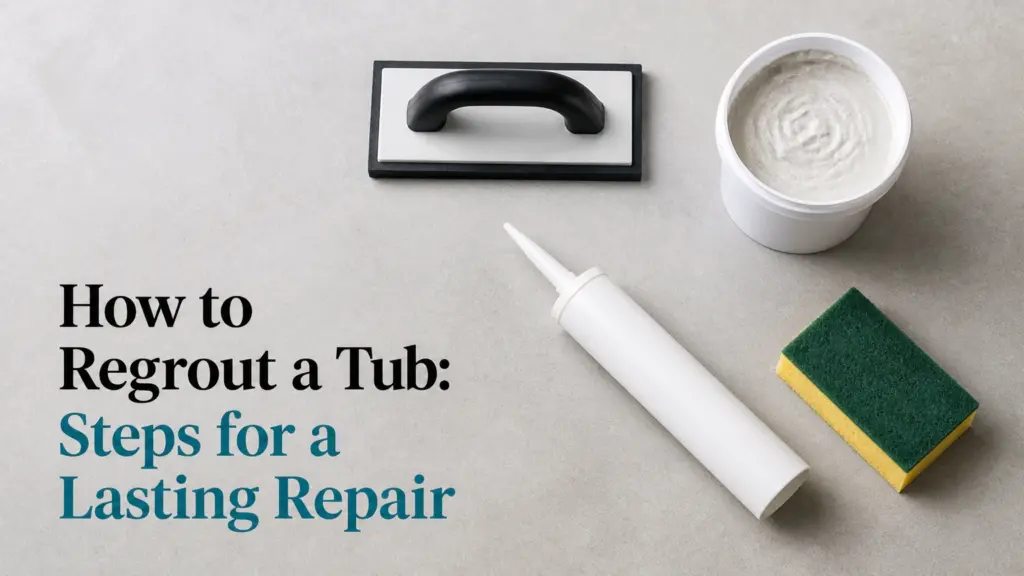
Regrouting a tub means removing deteriorated grout from the tile joints around a bathtub and replacing it with compatible new grout. The durable method takes about 4-8 hours of active work across two or three days, and success depends more on complete removal, dry joints, and flexible silicone at movement joints than on the grout […]
How to Install a Single Handle Kitchen Faucet in 90 Minutes

Installing a single-handle kitchen faucet usually requires nine steps, 45-90 minutes, an adjustable wrench, a basin wrench, and the faucet manufacturer’s mounting hardware. Shut off both supply valves, remove the old faucet, seal and secure the new body, connect hot and cold lines, flush debris, and test every joint for leaks. Key Facts at a […]
How to Install a Shower Head Without Leaks
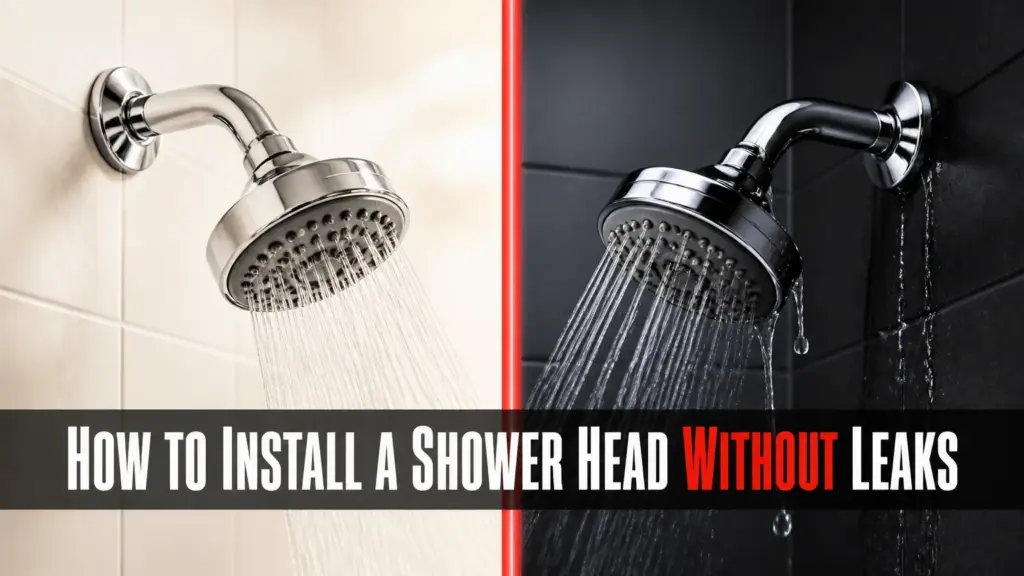
To install a shower head, remove the old head, clean the exposed shower-arm threads, check the new rubber washer, apply PTFE tape only where the fitting requires it, and tighten the replacement by hand before a protected wrench adjustment. A standard replacement takes about 15-30 minutes, and preventing the shower arm from twisting is the […]