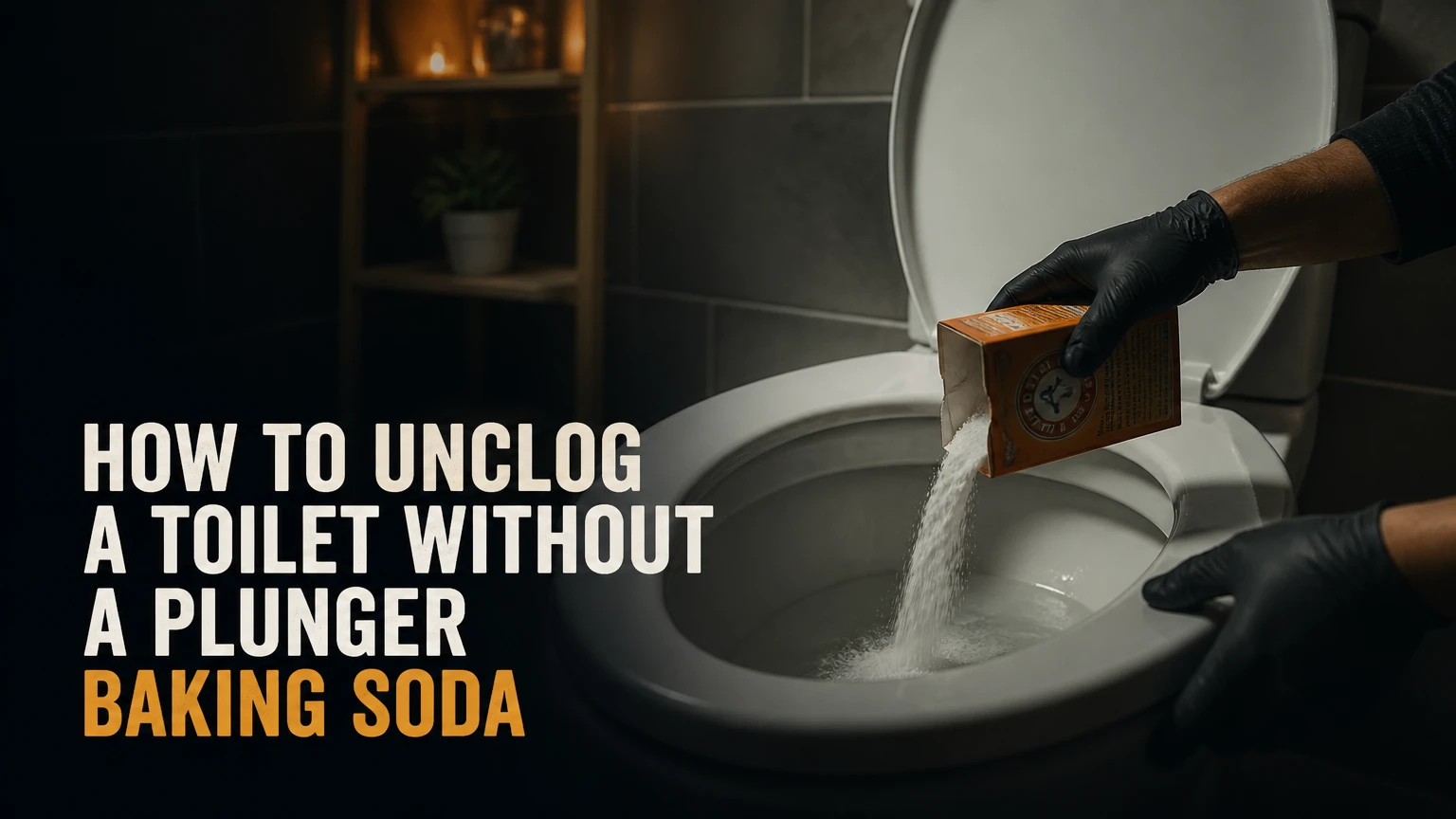
Clearing a stubborn bathroom backup without standard plumbing tools is entirely achievable using common household ingredients. By combining exactly 1 cup of baking soda, 2 cups of white vinegar, and 1 gallon of hot tap water, you can dissolve organic waste through a controlled acid-base chemical reaction. This comprehensive method takes 35 to 45 minutes from start to finish, carries a low difficulty rating, costs under three dollars, and succeeds reliably when the obstruction consists of paper or organic matter rather than hard foreign objects.
Before You Start
- Time Required: 35 to 45 minutes total (active work: 5 minutes; dwell time: 30 minutes).
- Difficulty Level: Beginner friendly.
- Estimated Cost: Under $3.00 if ingredients are purchased individually; effectively $0 if using household pantry staples.
- Required Tools & Materials Checklist:
- Baking Soda: Exactly 1 cup.
- White Vinegar: Exactly 2 cups.
- Hot Water: Exactly 1 gallon (set to hot tap water temperature, approximately 45°C to 50°C or 110°F to 120°F).
- Heavy-duty rubber gloves (1 pair).
- Terrycloth towels (2 to 3 large towels).
- 2-gallon plastic bucket or large stockpot.
- Prerequisite Conditions: The toilet must not be overflowing actively. If the bowl is filled to the brim, you must manually bail out excess water before introducing any chemical agents.
Step 1: Prep the Bathroom Floor and Inspect the Water Level
Put on heavy-duty rubber gloves and lay thick terrycloth towels completely around the base of the toilet to catch any accidental splashes or overflow. Inspect the water level inside the ceramic bowl. If the water sits significantly higher than the normal operational line, use your 2-gallon plastic bucket to scoop out enough liquid until the bowl level returns to normal.
- Action: Don gloves, lay protective towels, and bail excess standing water into a bucket if the bowl is near capacity.
- Specifics: Position towels tightly against the porcelain base where it meets the tile or vinyl flooring. Scoop water smoothly without splashing by submerging the bucket rim.
- Success Check: You will know this step is complete when the water level sits at its standard idle mark and the floor surrounding the fixture is fully protected by absorbent fabric.
- Common Mistake: Leaving a full bowl untouched. Pouring baking soda and vinegar into an already full toilet guarantees an immediate hazardous overflow onto your bathroom floor.
Step 2: Shut Off the Water Supply Valve
Locate the oval or round metal valve on the wall or floor directly behind or beside the base of the toilet. Turn this valve clockwise until it stops completely to shut off the incoming water supply line.
- Action: Turn the toilet supply valve completely clockwise to stop water refilling during the procedure.
- Specifics: Rotate the handle roughly two to three full turns until tight. Do not over-torque brass valves, as older fixtures can strip or crack.
- Success Check: You will know this step is successful when you test the flush handle and notice that the tank fails to refill with fresh water.
- Common Mistake: Forgetting to close the supply valve. If someone accidentally bumps the flush handle while you are working, fresh tank water will rush into the bowl and ruin your chemical ratio.
Step 3: Add Exactly One Cup of Baking Soda
Measure precisely 1 cup of dry baking soda using a standard kitchen measuring cup. Pour the baking soda directly into the center of the toilet bowl, directing it as close to the entrance of the trapway drain hole as possible.
- Action: Pour exactly 1 cup of dry baking soda directly into the standing water surrounding the drain opening.
- Specifics: Shake the measuring cup gently to distribute the powder evenly across the bottom surface of the bowl so that a portion settles directly into the throat of the trapway.
- Success Check: You will know this step is done correctly when a white layer of powder coats the bottom of the bowl and a visible mound rests right at the entrance of the drain hole.
- Common Mistake: Using an estimation instead of a precise measuring cup. Eyeballing the amount often results in too little reactive agent, which weakens the chemical breakdown of the blockage.
Step 4: Slowly Pour Two Cups of White Vinegar
Measure exactly 2 cups of standard distilled white vinegar into a container with a pouring spout. Pour the vinegar into the toilet bowl in a slow, continuous, and steady stream directly over the mound of baking soda.
- Action: Pour 2 cups of white vinegar slowly and steadily into the bowl onto the waiting baking soda.
- Specifics: Take a full 15 to 20 seconds to empty the 2 cups. The acetic acid in the vinegar will immediately react with the sodium bicarbonate, producing carbon dioxide gas that generates vigorous fizzing and foam.
- Success Check: You will know the reaction is working properly when a dense white foam bubbles up rapidly, filling the lower portion of the bowl without spilling over the rim.
- Common Mistake: Dumping the entire 2 cups of vinegar all at once. Pouring too quickly causes a violent volcanic eruption of foam that will spill over the ceramic edge and onto your protected floor.
Step 5: Let the Chemical Mixture Sit for Thirty Minutes
Allow the chemical reaction and active solution to sit undisturbed inside the toilet bowl and trapway for a full 30 minutes. Do not flush, stir, or add any additional liquids during this dwell window.
- Action: Leave the bubbling baking soda and vinegar mixture alone for exactly 30 minutes to break down organic waste.
- Specifics: Set a digital kitchen timer for 30 minutes. During this time, the carbonic acid and fizzing action soften, loosen, and dissolve cellulose fibers, toilet paper, and organic matter lodged in the trap.
- Success Check: You will know the dwell time is progressing correctly when the foam gradually subsides into a murky, active liquid sitting slightly lower in the bowl as it penetrates the clog.
- Common Mistake: Shortening the dwell time to 5 or 10 minutes out of impatience. Organic blockages require extended contact time with the mild acid solution to structurally disintegrate.
Step 6: Flush with One Gallon of Hot Tap Water
Fill your bucket with exactly 1 gallon of hot water from your bathroom or kitchen sink tap. Lift the bucket to waist height and pour the water into the center of the toilet bowl in a swift, commanding pour.
- Action: Pour 1 gallon of hot tap water from waist height directly into the bowl to push the loosened debris down the drain.
- Specifics: Ensure the water temperature is hot tap water, approximately 45°C to 50°C or 110°F to 120°F. Never use boiling water. Pour with steady momentum so the combined weight and hydraulic force of the water drive the broken blockage through the S-bend.
- Success Check: You will know the process succeeded when you hear a distinct sucking sound and watch the water level in the bowl drop rapidly back to its normal resting level.
- Common Mistake: Using boiling water straight from a kettle stove pot. Boiling water creates extreme thermal shock against cold porcelain, causing the toilet bowl to fracture or crack permanently, and can melt the rubber wax seal beneath the base.
Common Mistakes and How to Fix Them
- Using Boiling Water from the Stove:
- The Problem: Boiling water creates a severe temperature differential against cold ceramic.
- The Fix: If you already boiled water, let it sit off the heat source for 15 minutes until it cools down to safe hot tap levels before pouring. Never pour boiling water into a toilet.
- Pouring Vinegar Too Fast:
- The Problem: Rapid pouring causes an uncontrolled chemical reaction that overflows the bowl.
- The Fix: Stop pouring immediately if foam rises too quickly. Wait 10 seconds for the reaction to settle, then resume pouring the remaining vinegar in a pencil-thin stream.
- Attempting the Method on Hard Objects:
- The Problem: Chemical reactions only dissolve organic compounds like paper and waste. They have zero effect on plastic toys, combs, or glass bottles.
- The Fix: If you suspect a hard object fell into the bowl, stop chemical treatments immediately. Retrieve the item using waterproof utility gloves or use a toilet auger to pull it back up.
- Failing to Clear Excess Standing Water:
- The Problem: A completely filled bowl leaves no room for added volume, causing immediate floor contamination.
- The Fix: Bail out excess water into a bucket until the level drops below the normal operating line before adding any baking soda or vinegar.
- Ignoring Supply Valve Restarts:
- The Problem: Accidentally bumping the flush handle during the 30-minute dwell period causes tank water to flood the bowl.
- The Fix: Always ensure the wall supply valve is turned completely clockwise before starting Step 1, and only reopen it after the final successful flush.
Variations: Adjusting the Process for Different Situations
The Heavy Organic Grease or Oil Variation
If the clog involves greasy buildup or organic fats alongside toilet paper, standard baking soda and vinegar may struggle to cut through the lipid layer.
- Adjustment: Add half a cup of liquid dish soap (such as Dawn) directly into the toilet bowl right before adding the baking soda. Let the dish soap sit for 10 minutes to break down the grease surface tension, then proceed with the standard 1 cup of baking soda and 2 cups of vinegar.
The Low-Flow or High-Efficiency Toilet Variation
Modern low-flow toilets feature narrow, complex trapways that restrict chemical volume and fluid velocity.
- Adjustment: Reduce the hot water volume from 1 full gallon to 3 quarts (0.75 gallons) to prevent overwhelming the narrow trapway reservoir during the final flush step, and extend the dwell time from 30 minutes to 45 minutes to compensate for lower chemical turnover.
How Long Does It Take and What Does It Cost
- Time Investment: The entire procedure takes 35 to 45 minutes, with roughly 5 minutes of active preparation and pouring, and 30 minutes of passive chemical waiting time.
- Financial Cost: Total material cost ranges from $0.50 to $3.00. Baking soda costs roughly $0.25 per cup, white vinegar costs roughly $0.30 per cup, and tap water is negligible. This makes it one of the most cost-effective plumbing remedies available.
Frequently Asked Questions
Can I use apple cider vinegar instead of white vinegar?
No, you should stick exclusively to distilled white vinegar. Apple cider vinegar and other specialty vinegars contain complex organic compounds, sugars, and colorings that can leave residues in your toilet bowl and alter the acidity level, reducing the efficiency of the carbon dioxide chemical reaction needed to break down the clog.
What should I do if the first attempt only drains the water slightly?
If the water level drops but the toilet still refuses to flush normally, it means the baking soda and vinegar successfully dissolved the outer layers of the blockage but left a denser core intact. Wait 10 minutes for the bowl to settle, then repeat the entire 6-step process a second time with a fresh batch of ingredients.
Is it safe to use this method if I have a septic tank system?
Yes, this method is completely safe for septic tank systems. Baking soda, white vinegar, and hot tap water are all biodegradable and non-toxic. They will not harm the beneficial anaerobic bacteria colonies living inside your septic tank, unlike harsh commercial chemical drain cleaners that can destroy the biological balance.
What are the signs that this chemical method has officially failed?
If you have completed the full process twice, including the 30-minute dwell time and the 1-gallon hot water flush, and the water level in the bowl remains entirely stagnant or rises higher, the blockage is mechanical. This indicates a hard object obstruction, a deep main sewer line obstruction, or a blocked roof plumbing vent stack.
What is the next step if baking soda and vinegar do not work?
When natural chemical remedies fail, switch to physical mechanical removal. Purchase or rent a toilet auger (also known as a plumbing snake). Insert the cable into the toilet drain hole, crank the handle clockwise to hook or break through the obstruction, and retract the cable carefully before testing the flush.