Why Is My Toilet Still Leaking After Replacing Flush Valve And Flapper?
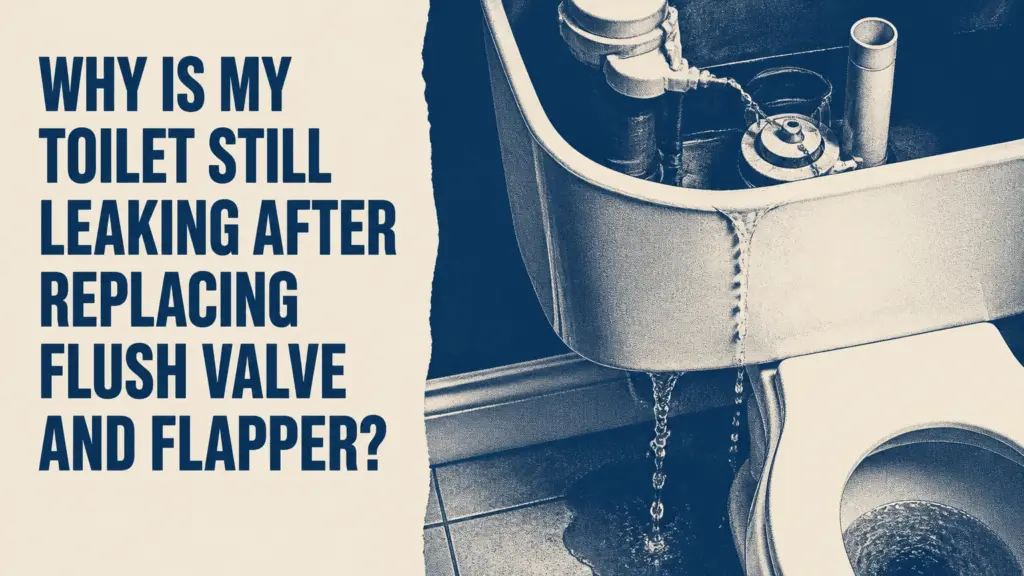
When a toilet continues leaking after a complete overhaul of the flush valve and flapper, the underlying cause is typically a damaged flush valve seat, an incorrectly sized flapper, a faulty tank-to-bowl gasket, or a hidden hairline fracture inside the overflow tube. These components control the water retention boundary inside the tank, and even microscopic […]
Copper vs PEX for Drinking Water: The Definitive Comparison

When planning a whole-house repipe or new residential construction project, choosing between copper and PEX (cross-linked polyethylene) for drinking water distribution dictates system longevity, installation costs, water quality safety, and long-term property equity. Copper plumbing utilizes rigid or flexible metallic piping made of 99.9% pure copper, while PEX is a flexible, synthetic high-density polymer pipe. […]
Why Is PEX Plumbing Bad? Hidden Vulnerabilities and Failure Risks
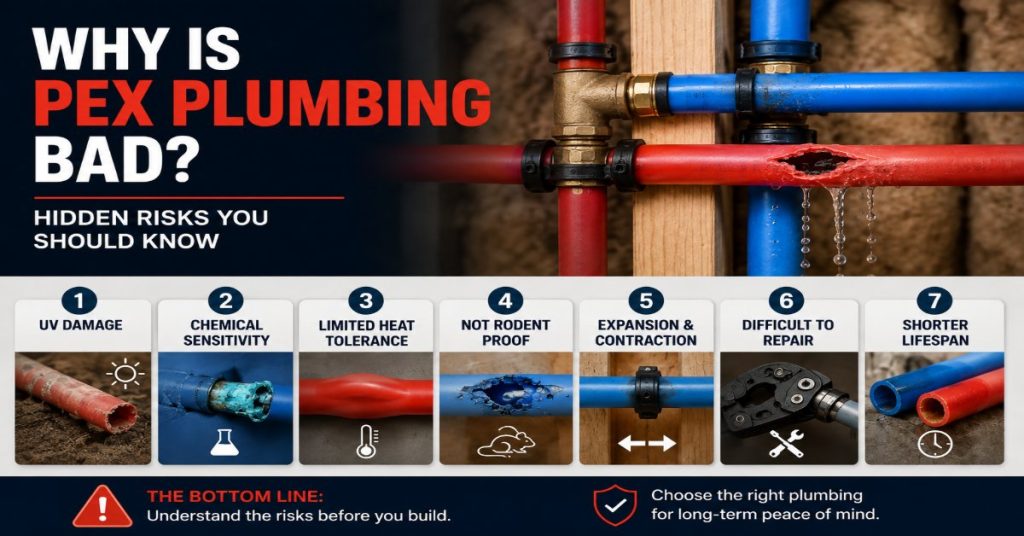
PEX plumbing is not universally bad, but it suffers from scientifically verified chemical, environmental, and mechanical vulnerabilities that cause catastrophic failures in unsuited environments. While valued for its flexibility and low cost of fifty cents to two dollars per foot compared to copper, cross-linked polyethylene degrades under specific chemical, UV, and physical conditions. At a […]
Kitchen Sink Drain Pipe Replacement: Complete DIY Guide
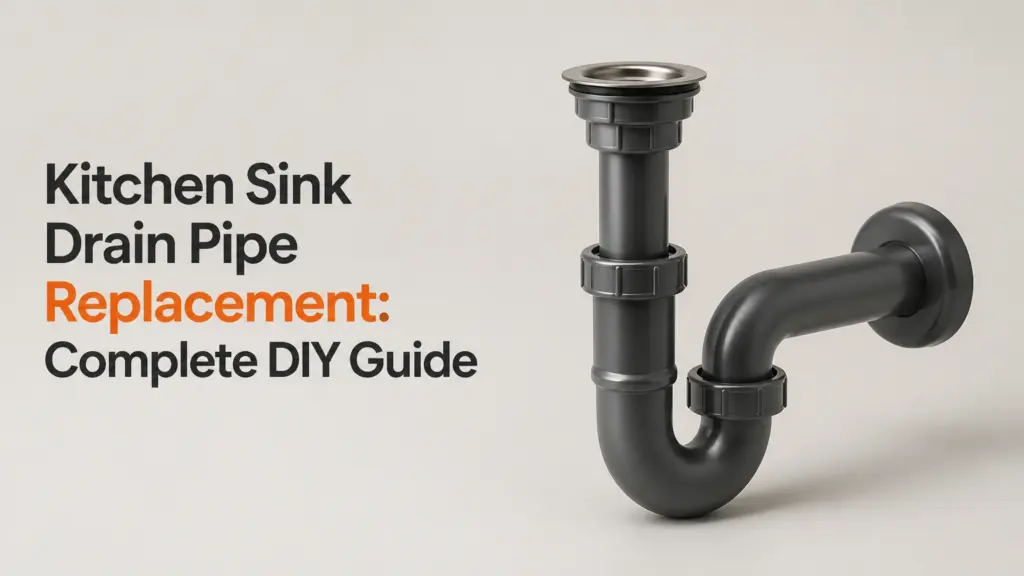
Kitchen sink drain pipe replacement normally involves removing the tailpiece, waste fittings, P-trap, and trap arm, then installing a correctly sized 1-1/2-inch assembly that aligns naturally with the wall drain. A basic slip-joint replacement usually takes 30-90 minutes, but corroded wall fittings, garbage disposals, and glued PVC can turn it into a plumbing repair. What […]
How to Unclog an RV Toilet Without a Snake
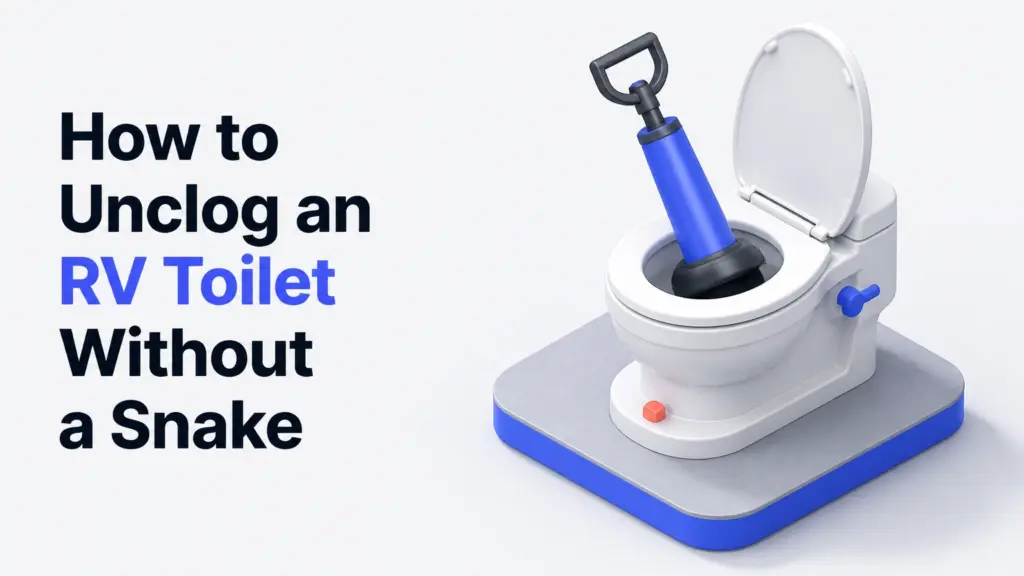
Unclogging an RV toilet without a plumbing snake requires using non-mechanical methods that protect sensitive black water holding tanks, plastic flush valves, and rubber seals from catastrophic damage. By executing a structured 5-phase protocol utilizing targeted thermal lubrication or enzymatic breakdown, you can completely resolve stubborn blockages in 20 minutes to 24 hours without professional […]
How to Repair a Single Handle Kitchen Faucet With a Spray Hose
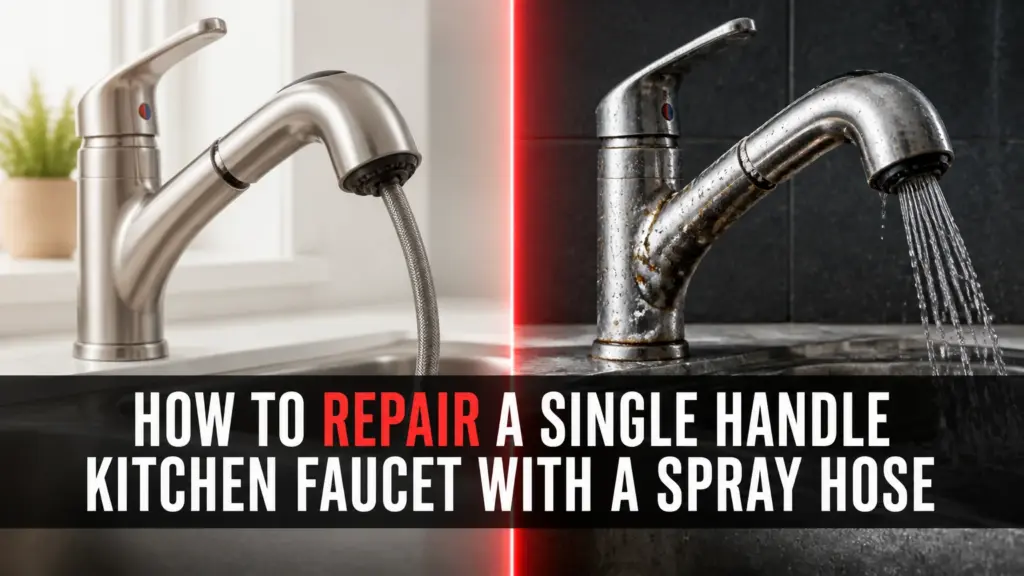
To repair a single handle kitchen faucet with a spray hose, first identify where the failure occurs, shut off both supply lines, and service the matching component: cartridge or ball seals for spout drips, O-rings for base leaks, the diverter for spray-transfer problems, or the hose and spray head for under-sink leaks. Most repairs require […]
How to Replace Kitchen Sink Drain Pipe Outside
To replace a kitchen sink drain pipe outside, cut out the damaged section, connect an approved replacement pipe of the correct diameter, and maintain a uniform downward slope toward the drain or sewer. Dry-fit every component before joining it, support the finished run, seal the wall penetration, and test the line for leaks and standing […]
How to Unblock a Drain With a Home Remedy
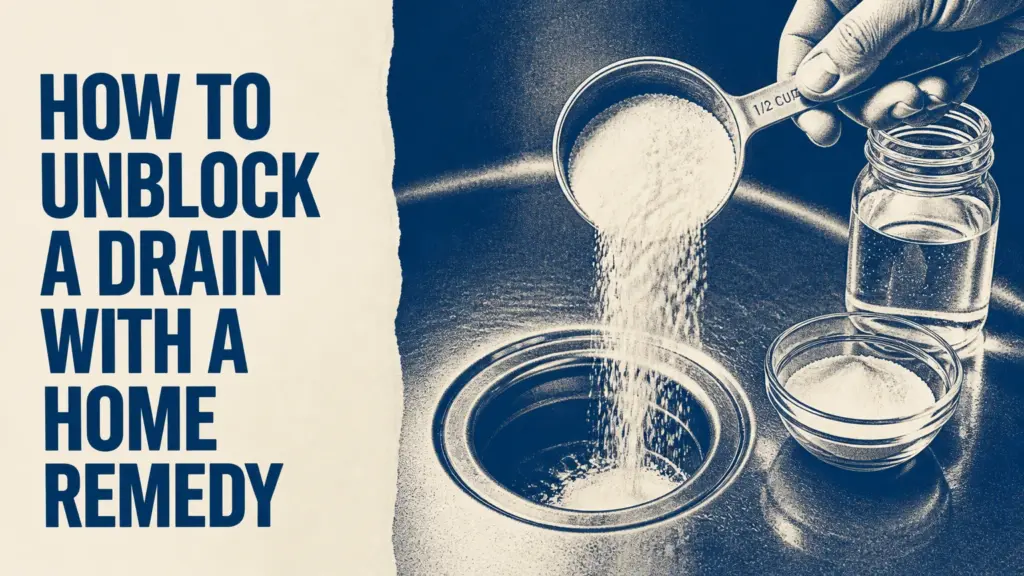
The best way to unblock a drain with a home remedy is to remove standing water, extract visible debris, plunge the drain, and use hot water with dish soap only when grease is suspected. Baking soda and vinegar can loosen light residue or reduce odor, but they rarely clear a dense hair, food, or solid-object […]
Faucet Leaks When Shower Is On: Diagnose and Fix It

A faucet leaks when the shower is on because the shower diverter is not fully blocking the tub-spout outlet. Worn seals, mineral scale, a damaged gate, or an incorrect diverter position allows water to flow from both outlets. A few residual drops after shutoff can be normal, but continuous flow while the shower runs indicates […]
Fluidmaster 400 Model Anti-Siphon Keeps Running: Fix Guide
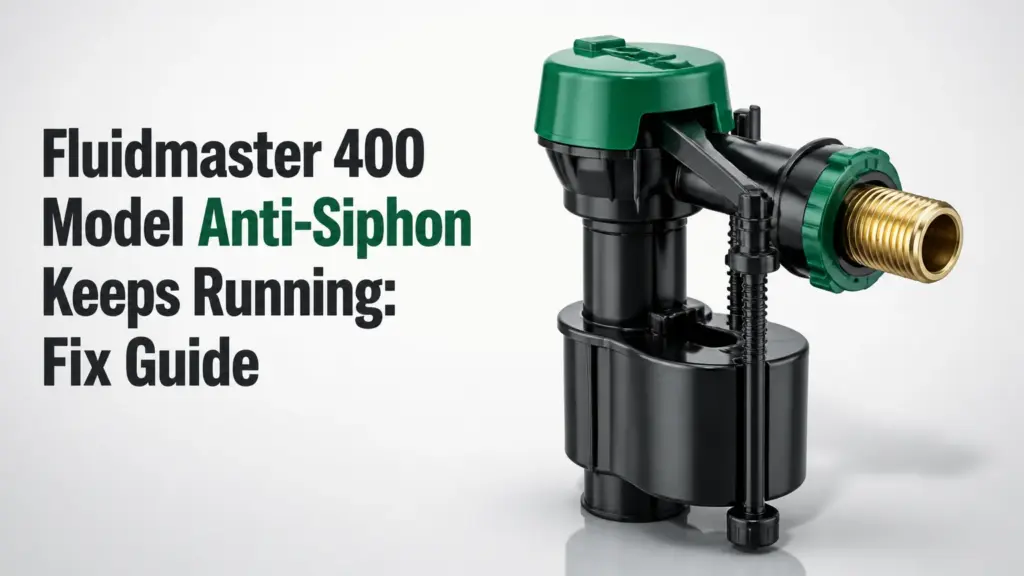
A Fluidmaster 400A anti-siphon fill valve that keeps running usually has debris under its cap seal, a worn Fluidmaster 242 seal, an incorrectly adjusted float, or water escaping through another toilet component. Check whether water reaches the overflow tube first, because a full tank with a running sound often indicates a leaking flapper rather than […]